
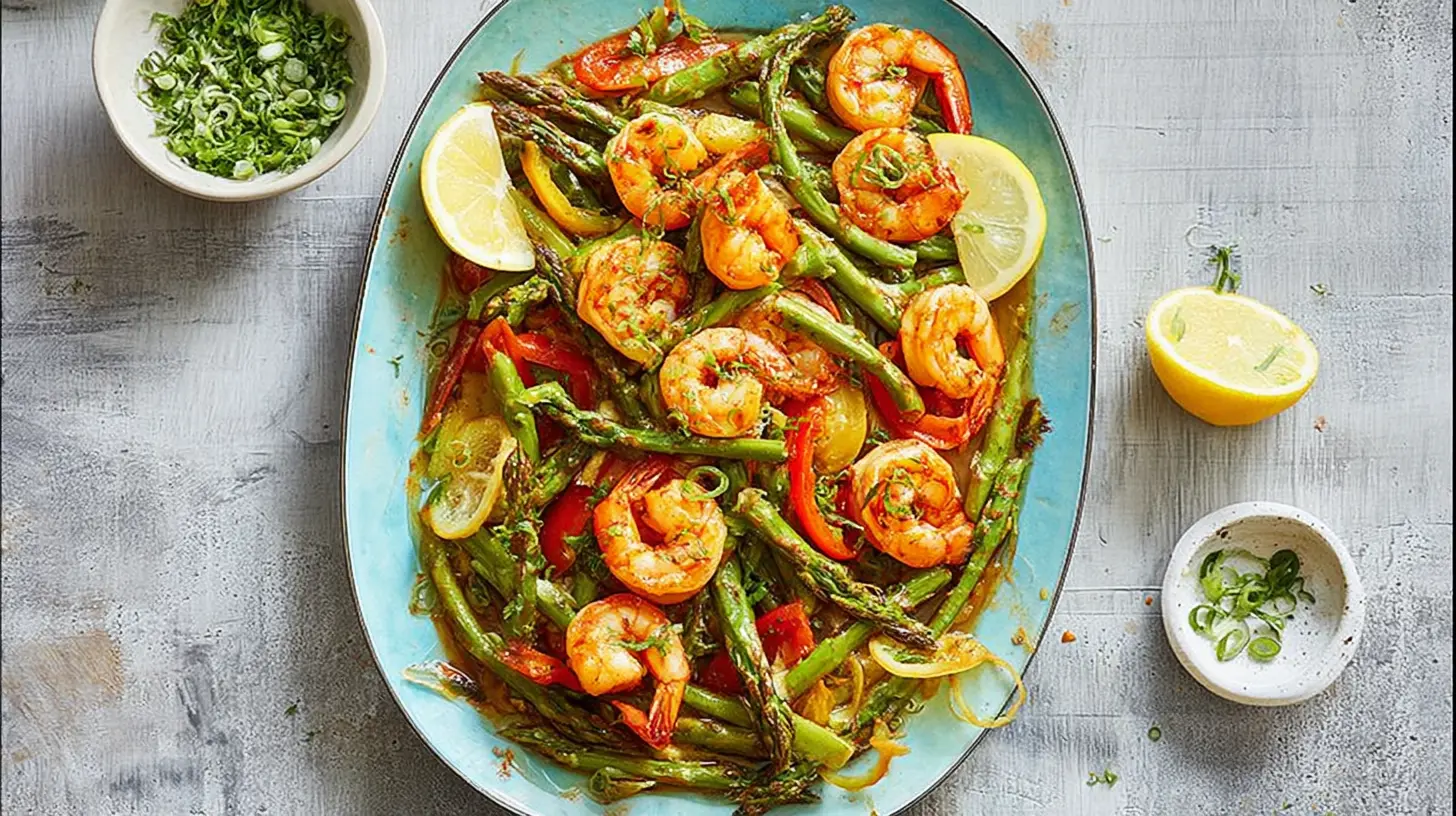
When it comes to healthy eating, I used to dread weeknights. After a long day, the idea of cooking something elaborate and nutritious often felt overwhelming, leading straight to takeout menus or unhealthy convenience foods. But what if I told you there’s a simpler way to approach healthy dinners, one that doesn’t involve endless meal prep or gourmet culinary skills? It all boils down to
having a handful of reliable, healthy, and easy-to-make recipes in your everyday arsenal – specifically, focusing on Dinner Recipes Healthy Enough for Every Day: Why 3 Are Key. This isn’t about rigid diets or restrictive eating; it’s about building a sustainable habit of nourishing yourself with delicious, wholesome food, even on your busiest evenings.
Why you’ll love this dish
Why bother with just three key healthy dinner recipes? Well, beyond the obvious health benefits, streamlining your weeknight cooking offers a surprising amount of freedom and peace of mind. Imagine fewer trips to the grocery store for obscure ingredients, less time stressing over “what’s for dinner,” and more time enjoying your evenings. These “power three” recipes become your go-to solutions, tried and tested, ensuring you always have a comforting, nutritious meal within reach without sacrificing flavor or variety over the long run. It’s smart cooking that supports a healthy lifestyle.
> “I used to struggle so much with healthy weeknight dinners. But focusing on a few core recipes, like these, has been a game-changer! It’s less stress and more delicious, healthy food on the table every night.” – A Happy Home Cook
The cooking process explained
The beauty of focusing on Dinner Recipes Healthy Enough for Every Day: Why 3 Are Key is that they are designed for efficiency and ease. Generally, these recipes involve minimal chopping, rely on readily available ingredients, and often use one-pan or one-pot methods to cut down on clean-up. Think along the lines of a quick sheet pan meal, a hearty soup that practically cooks itself, or a simple stir-fry that comes together in minutes. The key is to choose recipes that are versatile enough to incorporate different proteins or vegetables based on what you have on hand, preventing meal fatigue.
What you’ll need
The ingredients for your “power three” will, of course, depend on the specific recipes you choose. However, the philosophy behind them is to utilize common, healthy staples that you likely already have in your pantry or can easily pick up. This might include:
- Lean protein sources: Chicken breast, ground turkey, fish (salmon, cod), lentils, chickpeas, eggs, tofu.
- Plenty of vegetables: Broccoli, bell peppers, spinach, kale, carrots, zucchini, onions, garlic. These should ideally be seasonal to maximize flavor and nutrient content.
- Healthy fats: Olive oil, avocado oil, nuts, seeds.
- Whole grains/complex carbs: Quinoa, brown rice, whole wheat pasta, sweet potatoes.
- Flavor boosters: Herbs (fresh or dried), spices, low-sodium broths, vinegars, citrus.
The goal is to have ingredients that can be mixed and matched across your three chosen recipes, reducing waste and simplifying your shopping list.
Directions to follow
While I can’t give you specific steps for your three chosen recipes without knowing them, the general approach to mastering Dinner Recipes Healthy Enough for Every Day: Why 3 Are Key involves a few key principles:
- Prep smartly: Even with simple recipes, a little bit of mise en place (prepping ingredients before you start cooking) goes a long way. Chop your vegetables, measure out spices, and have everything ready.
- Follow the flow: Most healthy weeknight recipes follow a pattern: Sauté aromatics, add protein, cook through, add vegetables, finish with sauce/seasoning. Understanding this general flow makes any recipe easier.
- Don’t overcomplicate: Resist the urge to add too many extra steps or ingredients. The essence of these “every day” recipes is their simplicity.
- Taste and adjust: Always taste your food before serving and adjust seasonings as needed. A pinch of salt, a squeeze of lemon, or a dash of hot sauce can elevate even the simplest dish.
Best ways to enjoy it
Serving your healthy dinners can be just as simple as preparing them. These “every day” recipes are often complete meals on their own. For example:
- Sheet Pan Dinners: Serve directly from the pan (carefully!) or plate individually. They often include a protein, vegetable, and sometimes a starchy component all cooked together.
- Soups and Stews: A crusty piece of whole-grain bread for dipping or a sprinkle of fresh herbs can enhance the experience.
- Stir-Fries: Best served over a small portion of brown rice or quinoa, or even cauliflower rice for a lower carb option.
- Salad Bowls: If one of your recipes is a hearty salad, offer a variety of healthy dressings on the side.
The key is to keep it unfussy and focused on the delicious, healthy main event.
Keeping leftovers fresh
One of the major advantages of having a few reliable healthy recipes is how well they often lend themselves to meal prepping and leftovers.
- Storage: Store any cooled leftovers in airtight containers in the refrigerator within two hours of cooking. Most healthy cooked meals will last safely for 3-4 days. Glass containers are excellent for reheating and preventing plastic leaching.
- Reheating: Reheat thoroughly until piping hot (165°F or 74°C). Many dishes, like soups, stews, and casseroles, reheat beautifully on the stovetop over medium heat. Sheet pan dinners can be reheated in the oven or microwave. Stir-fries are best reheated quickly in a pan to retain texture.
- Freezing: Many healthy dinners, especially soups, stews, and even some casseroles or cooked grains with vegetables/protein, freeze exceptionally well. Allow the food to cool completely, then portion into freezer-safe bags or containers, removing as much air as possible. Label with the date. Most cooked dishes can be frozen for up to 3 months. Thaw in the refrigerator overnight before reheating.
Helpful cooking tips
- Batch Cook Grains: Cook a larger batch of quinoa or brown rice at the beginning of the week. This saves significant time for multiple meals.
- Pre-chop Vegetables: If you have 15 minutes on a Sunday, chop some common vegetables like onions, bell peppers, or carrots and store them in airtight containers. This foresight makes weeknight cooking even faster.
- Master a Few Sauces: Learn to make a simple vinaigrette, a peanut sauce, or a quick marinara. These can transform simple ingredients into flavorful meals.
- Don’t Fear Frozen Veggies: Keep a variety of frozen vegetables on hand. They are just as nutritious as fresh, often more convenient, and perfect for adding to stir-fries, soups, or sheet pan meals without any chopping.
- Season as You Go: Don’t wait until the end to season. A little salt and pepper at different stages of cooking builds layers of flavor.
Creative twists
Even with just three core recipes, you can introduce plenty of variety to keep things interesting:
- Protein Swaps: If your recipe calls for chicken, try fish, tofu, or lentils next time.
- Vegetable Rotation: Use whatever seasonal vegetables are available or what you need to use up in your fridge. Broccoli one week, zucchini the next.
- Flavor Profiles: Change up the spices! Make a standard chicken and vegetable dish Italian with oregano and basil, then Mexican with cumin and chili powder, or Asian with ginger and soy sauce.
- Toppings Galore: Add crunch with nuts, seeds, or croutons. Introduce freshness with fresh herbs, a dollop of Greek yogurt, or a squeeze of lime.
- Healthy Fats: Drizzle with different healthy oils (sesame, avocado) or add sliced avocado for richness.
Common questions
How do I choose my “3 key” healthy dinner recipes?
A: Focus on recipes you genuinely enjoy eating, that use ingredients you normally buy, and that fit into your cooking skill level and available time. Look for versatility in terms of protein or vegetable swaps to prevent boredom. Think about one-pan meals, hearty salads with protein, or simple stir-fries.
Can these recipes really be healthy enough for every day?
A: Absolutely! The goal is to choose recipes that are balanced – featuring lean protein, plenty of vegetables, and complex carbohydrates – and that are low in
unhealthy fats, excessive sodium, and added sugars. When done right, these recipes provide all the nutrients you need for daily well-being.
What if I get tired of the same three recipes?
A: This is where “variations” come in! Think of your three recipes as templates. By swapping proteins, rotating vegetables, and experimenting with different spices and sauces, you can create dozens of unique meals from the same foundational recipes, keeping things exciting without needing to learn a completely new dish every time.
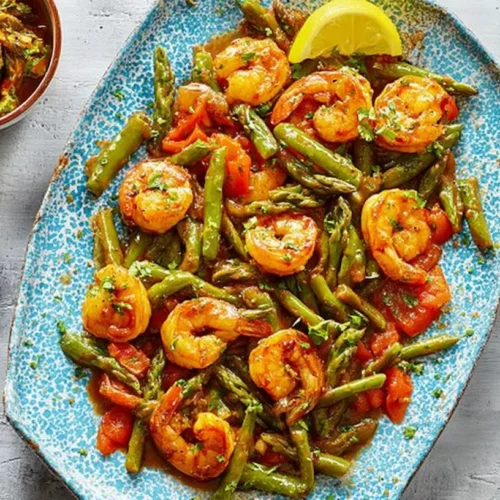
One-Pan Balsamic Chicken & Roasted Root Vegetables
Equipment
- Oven
- Large baking sheet
- Parchment paper
- Large bowl
Ingredients
Main Ingredients
- 1.5 lbs boneless, skinless chicken thighs (or breasts), cut into 1.5-inch pieces
- 1 lb mixed root vegetables (carrots, parsnips, sweet potatoes), peeled and chopped into 1-inch pieces
- 1 red onion, cut into wedges
- 2 tbsp olive oil
- 2 tbsp balsamic vinegar
- 1 tbsp dried Italian herbs
- 2 cloves garlic, minced
- Salt and freshly ground black pepper to taste
- Fresh parsley, chopped for garnish, optional
Instructions
Instructions
- Preheat your oven to 400°F (200°C) and line a large baking sheet with parchment paper.
- In a large bowl, combine the chicken, root vegetables, and red onion.
- Drizzle with olive oil, balsamic vinegar, Italian herbs, minced garlic, salt, and pepper, then toss to coat everything evenly.
- Spread the mixture in a single layer on the prepared baking sheet, ensuring space between pieces for proper roasting.
- Roast for 25-30 minutes, flipping halfway through, until the chicken is cooked through and the vegetables are tender and slightly caramelized.
- Remove from the oven, garnish with fresh parsley if desired, and serve hot.