
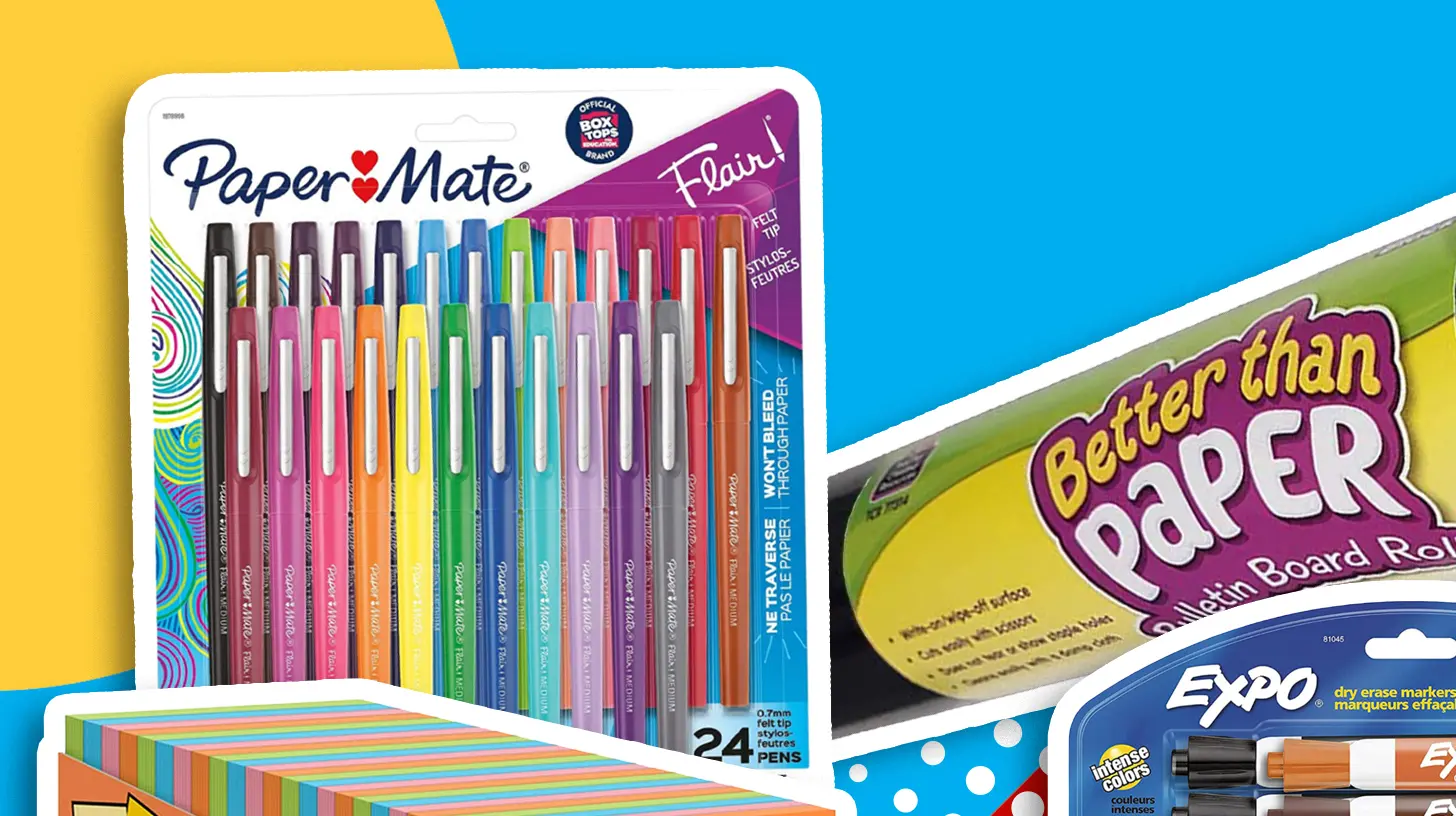
As a former teacher, I know the struggle is real when it comes to stocking a classroom. Every year, I’d find myself browsing the same old aisles, wishing there was a secret handshake for snagging all the essentials without dipping too deep into my own pocket. That’s why I’m so excited to share what I’ve learned about mastering Teacher Classroom Supplies Deals. It’s not just about finding cheap items; it’s about making smart, strategic buys that stretch your budget further and make your classroom a vibrant place for learning without the financial stress.
Why You’ll Love These Smart Buys
Let’s face it, teaching is a calling, but it also comes with its fair share of out-of-pocket expenses. This guide isn’t just a list; it’s a strategy session for maximizing your dollar. We’re talking about everything from stocking up on essentials during prime sales seasons to clever DIY alternatives that save you a bundle. You’ll find yourself feeling less stressed about classroom expenditures and more focused on what truly matters: your students. Plus, these tips are designed to be practical, meaning you can implement them immediately for noticeable savings.
> “I used to dread back-to-school shopping for my classroom, but these tips have been a game-changer! I’m actually saving money and still getting quality supplies. Highly recommend!” — A happy teacher
The Cooking Process Explained
While we’re not cooking in the traditional sense, “preparing” for a smart shopping season involves a similar step-by-step process. First, you’ll need to assess your current
The Ultimate Teacher Classroom Savings Recipe
Equipment
- Notebook or Spreadsheet Software
- Pen or Computer
- Internet Access
- Calendar/Planner
- Storage Bins and Labels
Ingredients
Main Ingredients
- Dedicated notebook or digital spreadsheet e.g., Google Sheets, Excel
- Pen or computer
- Access to the internet for online research and shopping
- Calendar or planner
- Your existing classroom for inventory
- Loyalty cards and email subscriptions from major retailers (optional)
- Your curriculum and lesson plans
- Teacher ID for discounts
- Storage solutions bins, labels
Instructions
Preparation Steps
- Before a new school year or summer, perform a thorough classroom inventory, creating “Must Buy,” “Nice to Replenish,” and “Still Have Plenty” lists.
- Review your curriculum and lesson plans to identify specialized supplies needed for upcoming projects, adding them to your appropriate lists.
- Assign estimated costs to “Must Buy” items to establish a budget and prevent overspending.
- Track sales cycles throughout the year, noting down anticipated sale periods for different supply categories, such as back-to-school sales.
- Sign up for loyalty programs and email newsletters from major retailers, creating a dedicated email folder for exclusive teacher discounts and early sale access.
- Utilize online tools or multiple browser tabs to compare prices for “Must Buy” items across different retailers, noting the best price and location.
- Always inquire about teacher-specific discounts at stores like Michaels or Barnes & Noble, ensuring your ID is ready as these can often be combined with sales.
- Carefully consider bulk buying for high-use consumables through warehouse clubs or online suppliers, provided you have adequate storage space.
- Regularly check dollar stores and clearance racks for inexpensive supplementary items, organizational tools, craft supplies, and student incentives.
- Research and apply for donor programs and grants, such as DonorsChoose or AdoptAClassroom, to help fund larger supply needs.
- Implement strategic storage solutions in your classroom, using organized bins with designated labels and maximizing vertical space.
- Begin your inventory and planning process in the late spring or early summer to take advantage of the best deals and sales.
- Avoid impulse purchases by strictly adhering to your carefully prepared supply list.
- Always read reviews for quality assurance before making purchases, especially for new or more expensive items.
- Network with fellow teachers to share information about sales, discounts, and valuable insights on supply sourcing.
- Keep all your receipts for potential returns or price adjustments.
- Utilize apps or online retailer features to set price alerts for desired items, receiving notifications when they drop to a specific price point.
- Explore creative alternatives such as Freecycle groups, school supply drives, end-of-year clearance sales, summer garage sales, and DIY or repurposing projects.