
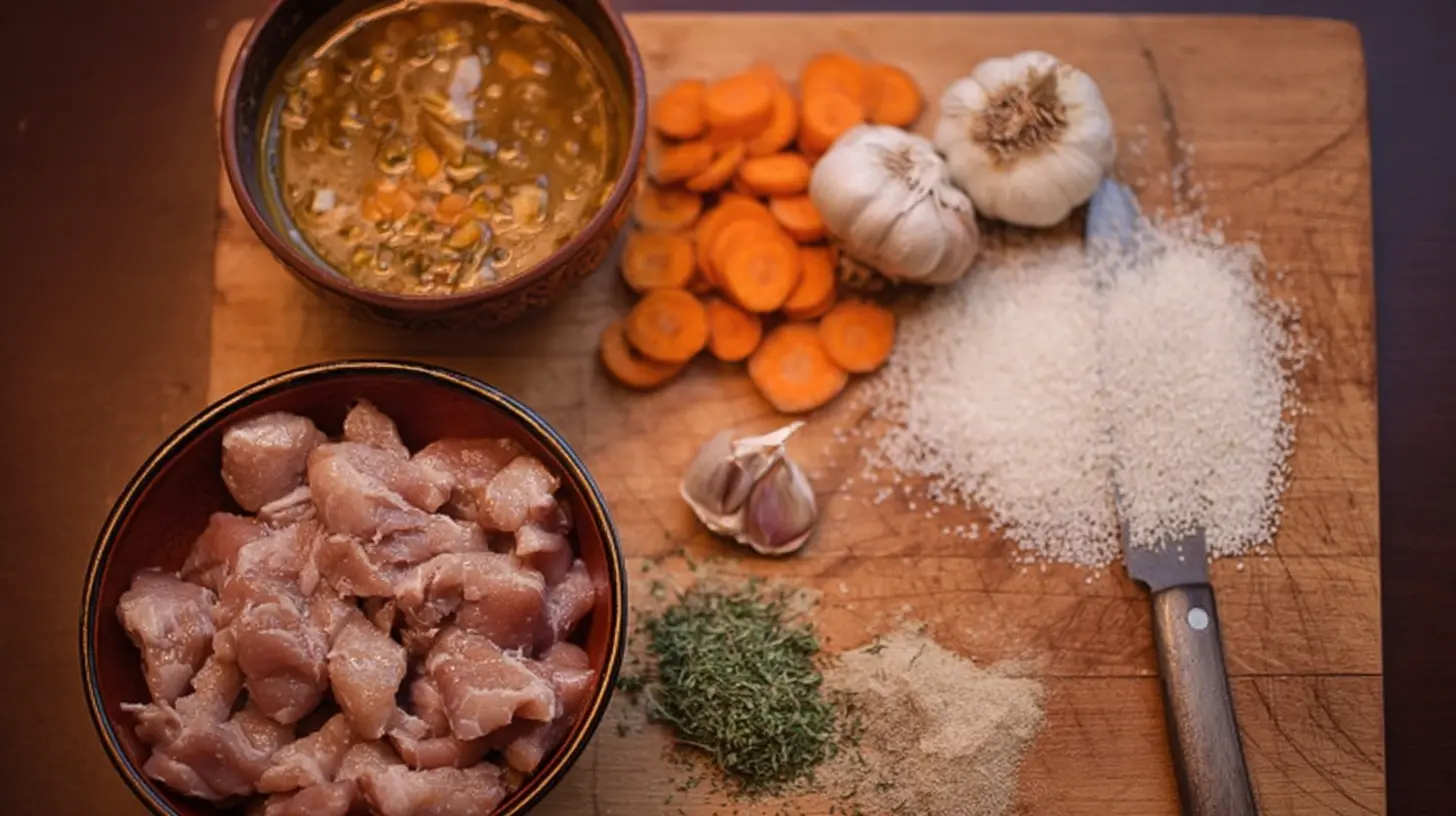
When I first started cooking, the idea of consistently making “tasty food” felt like a mythical quest. It seemed like some people just had that magic touch, while I was stuck with recipes that were, well, fine. But over time, I realized that truly delicious cooking isn’t about magic; it’s about understanding a few fundamental principles and applying them diligently. This isn’t just about following a recipe to the letter; it’s about learning a framework that elevates every dish you create.
Why You’ll Love This Dish
This isn’t a recipe for a single dish, but rather a blueprint for how to approach any dish with confidence, ensuring a delicious outcome every single time. You’ll love this approach because it demystifies cooking, turning it from a potentially intimidating task into an enjoyable and rewarding process. It’s incredibly empowering to know that with just nine simple steps, you can consistently produce meals that genuinely impress. Whether you’re a beginner looking for a solid foundation or an experienced cook wanting to refine your technique, these steps will become your secret weapon for consistently creating mouth-watering meals. This framework is perfect for anyone striving for culinary excellence in their everyday cooking, from weeknight dinners to special occasion feasts.
> “I used to dread cooking, but this 9-step guide completely changed my perspective. Now, I feel so much more confident in the kitchen, and my family actually raves about my cooking!” — A Satisfied Home Cook
The Cooking Process Explained
Before we dive into the specifics, let’s get a birds-eye view of how these nine simple steps come together. It starts with a clear vision of what you want to achieve, moving through thoughtful preparation, precise execution, and finally, a moment of reflection and refinement. Think of it as a culinary roadmap: first, you plan your journey, then you gather your supplies, you follow the directions carefully, and finally, you arrive at your delicious destination. This structured approach ensures that you’re not just throwing ingredients together, but rather intentionally building flavor and texture from start to finish.
Gather These Items
While we’re not making a specific dish, the “ingredients” for consistent tasty food are more conceptual than tangible. However, let’s list the key elements you’ll need to cultivate for success:
- A well-organized kitchen environment: A clean space, sharp knives, and essential tools.
- Quality ingredients: Regardless of the recipe, fresh, high-quality components make a huge difference.
- A curious palate: The willingness to taste, adjust, and learn.
- Patience: Good food often takes time and attention.
- A timer: Essential for precise cooking.
- A reliable recipe source (like this one!): For inspiration and guidance.
Directions to Follow
Here are the 9 simple steps to consistently create tasty food, no matter what you’re cooking:
- Understand the Recipe (or Concept): Before you even chop an onion, read through the entire recipe. Understand the goal, the techniques involved, and the order of operations. If you’re improvising, have a clear vision of the flavors and textures you want to achieve.
- Mise en Place: This French term means “everything in its place.” Chop all your vegetables, measure all your spices, and have all your ingredients prepped and ready before you start cooking. This prevents frantic searching and ensures smooth execution.
- Heat Management is Key: Understand how to properly preheat your pan, what temperature different ingredients need, and how to adjust heat throughout the cooking process. Too low, and food steams; too high, and it burns.
- Layer Flavors: Don’t just dump everything in at once. Think about building flavor. Start with aromatics (onions, garlic), then add spices, then proteins, allowing each to develop its unique character before introducing the next.
- Season Thoughtfully and Often: Salt, pepper, and herbs aren’t just for the end. Season at different stages of cooking. Taste as you go, and adjust. Remember, you can always add more, but you can’t take it away.
- Don’t Overcrowd the Pan: This is a common mistake. Giving ingredients space allows them to sear, brown, and caramelize properly. Overcrowding steams food instead of cooking it evenly.
- Rest Your Proteins: Whether it’s a steak, a roast chicken, or even a pork chop, allowing meat to rest off the heat for a few minutes (covered loosely) allows the juices to redistribute, resulting in a more tender and flavorful outcome.
- Finish with Brightness/Contrast: A squeeze of lemon, a sprinkle of fresh herbs, a drizzle of good olive oil, or a pinch of flaky sea salt right before serving can elevate a dish from good to great. These provide a much-needed contrast in flavor or texture.
- Taste and Adjust One Last Time: Before serving, take one final taste. Does it need more salt? More acidity? A touch of sweetness? A final adjustment can make all the difference.
How to Serve It Up
Since these are guiding principles rather than a specific dish, how you “serve” this knowledge is by applying it consistently to every meal you prepare. Think of each cooked plate as a testament to your newfound culinary prowess. Present your meals with pride, knowing you followed a deliberate path to deliciousness. Encourage others to taste and appreciate the layers of flavor you’ve built. Remember, great food is meant to be shared and savored.
The Best Way to Save Extras
When it comes to saving the knowledge from these 9 steps, the best way is through consistent practice. The more you apply these principles, the more ingrained they become. For storing actual leftover food (which will inevitably be more delicious thanks to these steps!), ensure it’s cooled quickly and stored in airtight containers within two hours of cooking. Most dishes will last 3-4 days in the refrigerator. Freezing is an excellent option for longer storage (up to 2-3 months for many cooked meals), just make sure to label and date your containers. Always reheat leftovers thoroughly until steaming hot.
Pro Chef Tips
- Trust Your Senses: Don’t just rely on the clock or recipe. Look, smell, and most importantly, taste as you go.
- Embrace the Maillard Reaction: That beautiful browning on meats and vegetables? That’s flavor. Learn to achieve it without burning.
- Deglaze Your Pan: After searing meat or sautéing vegetables, adding a splash of liquid (wine, broth, water) and scraping up the browned bits from the bottom of the pan creates an instant, flavorful sauce. This is pure gold.
- Don’t Fear Fat: Healthy fats (olive oil, butter, avocado oil) are crucial for carrying flavor and ensuring proper cooking.
- Clean As You Go: A tidy workstation makes the cooking process much more enjoyable and less daunting.
Creative Twists
While these 9 steps are foundational, their application can be infinitely varied. Here are some “creative twists” on how you can use this framework:
- Theme Nights: Apply the steps to explore different cuisines each week – Italian, Mexican, Thai, etc. Each cuisine offers unique flavor layering opportunities.
- Ingredient Focus: Pick one ingredient (e.g., mushrooms, sweet potatoes) and challenge yourself to create several different “tasty” dishes using these principles.
- Dietary Adaptations: Utilize these steps to make your favorite recipes vegan, gluten-free, or low-carb without sacrificing flavor. Think about how to build umami in plant-based dishes, for instance.
- One-Pan Wonders: Apply the layering and heat management steps to create incredibly flavorful and easy one-pan or one-pot meals.
Your Questions Answered
Do I really need to do all 9 steps every time I cook?
A: While some steps might feel more intuitive over time, deliberately thinking through each one, especially in the beginning, will transform your cooking. For simple tasks like boiling pasta, it might seem overkill, but for anything requiring more than one ingredient, consciously applying these steps will guarantee better results.
What if a recipe tells me to do something different?
A: These are principles, not rigid rules. If a trusted recipe suggests an alternative approach, understand why it does. For instance, some recipes call for all ingredients to be added simultaneously for a specific texture. The goal is always “tasty food,” so these steps provide a default framework, but always consider the specific recipe’s intent.
How long will it take before I “master” these steps?
A: Mastery is a journey, not a destination! You’ll start seeing significant improvements after just a few weeks of conscious practice. The more you cook and experiment with these principles in mind, the more natural and instinctive they will become. Focus on enjoying the process and the delicious results!
Delightful Two-Dessert Showcase
Equipment
- Food Processor
- High-speed Blender
- Serving Dishes
- 8×8 inch Baking Dish
- Large Bowl
Ingredients
No-Bake Chocolate Avocado Mousse
- 2 large, ripe avocados
- 1/2 cup unsweetened cocoa powder
- 1/4 – 1/2 cup maple syrup, agave nectar, or honey
- 1/4 cup plant-based milk (almond, oat, or coconut)
- 1 teaspoon vanilla extract
- Pinch salt
- Optional Toppings Berries, shredded coconut, chocolate shavings
Easy Berry Crumble
- 4 cups mixed berries (fresh or frozen)
- 1/4 cup granulated sugar
- 1 tablespoon cornstarch
- 1 tablespoon lemon juice
- 1/2 teaspoon vanilla extract
- 1 cup all-purpose flour
- 1/2 cup rolled oats (not instant)
- 1/2 cup packed brown sugar
- 1/2 cup cold unsalted butter, cut into small pieces (1 stick)
- Pinch salt
Instructions
No-Bake Chocolate Avocado Mousse
- Halve the avocados, remove pits, and scoop flesh into a food processor or high-speed blender.
- Add cocoa powder, sweetener, plant-based milk, vanilla extract, and salt to the food processor.
- Process until completely smooth and creamy, scraping down the sides as needed. Taste and adjust sweetener if desired.
- Divide mousse into serving dishes, cover, and refrigerate for at least 1 hour until chilled and set.
- Garnish with your favorite toppings just before serving.
Easy Berry Crumble
- Preheat oven to 375°F (190°C) and lightly grease an 8×8 inch baking dish.
- In a large bowl, combine mixed berries, granulated sugar, cornstarch, lemon juice, and vanilla extract; pour into the prepared baking dish.
- In a separate bowl, whisk together flour, rolled oats, brown sugar, and salt. Cut in cold butter until coarse crumbs form.
- Sprinkle crumble topping over the berry filling, place on a baking sheet, and bake for 30-35 minutes until golden and bubbly.
- Let the crumble cool for at least 15-20 minutes before serving to allow the filling to set.