
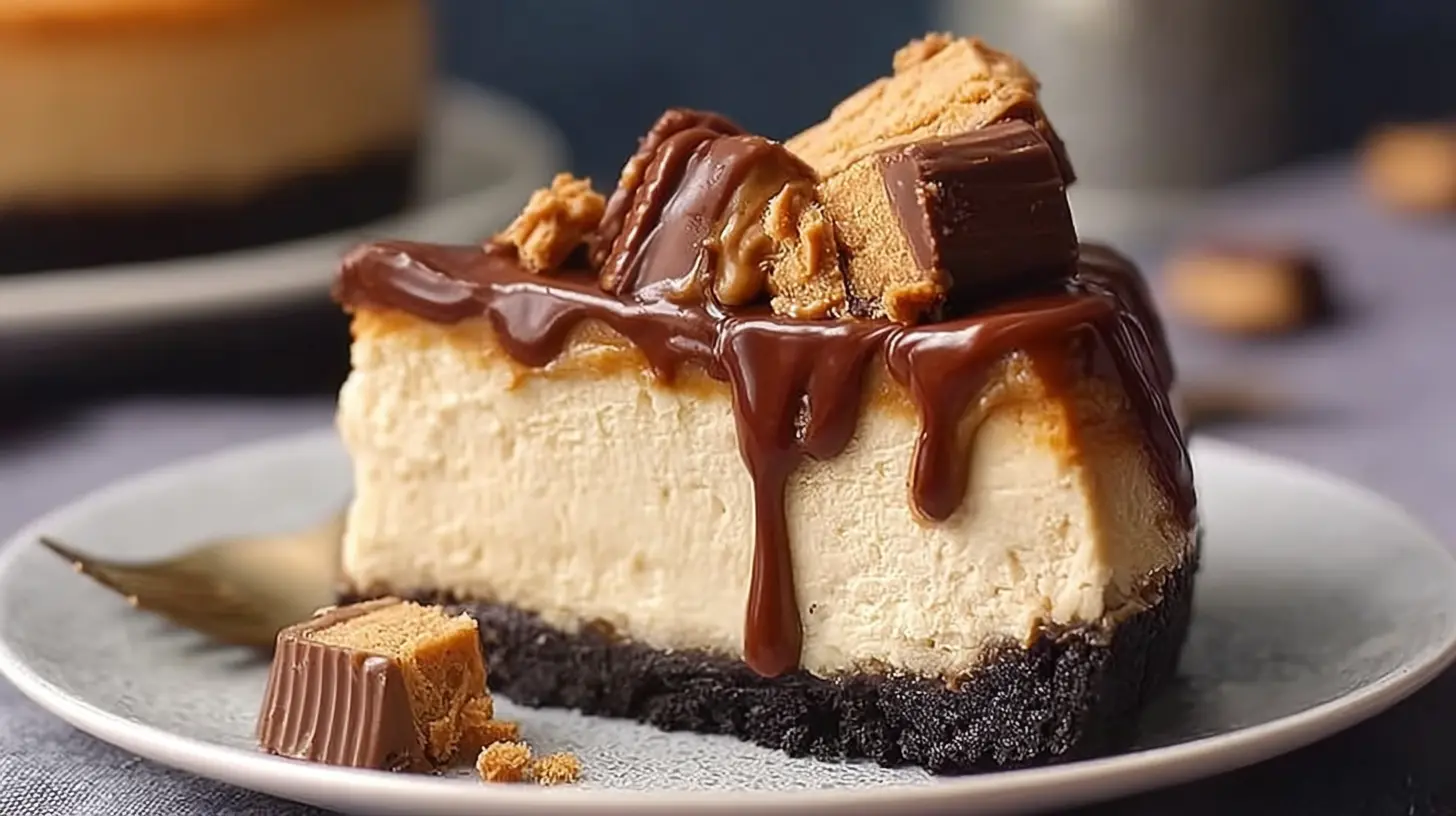
My journey with baking cheesecakes has admittedly had its ups and downs. There were crumbly crusts, cracked tops, and centers that just wouldn’t set. But then came the Peanut Butter Cheesecake, and I realized I needed a strategy. It’s a dessert that promises pure indulgence – that rich, creamy tang of cheesecake beautifully balanced with the nutty, slightly salty punch of peanut butter. It’s the kind of showstopper that brings smiles to any gathering, from a casual family dinner to a celebratory feast. If you’ve ever wanted to conquer this delightful dessert and ensure every slice is pure perfection, you’re in the right place.
Why You’ll Love This Dish
There’s something uniquely satisfying about a well-made Peanut Butter Cheesecake. It’s not just another dessert; it’s an experience. You’ll absolutely adore making (and devouring!) this dish because it combines two universally loved flavors into one harmonious, creamy masterpiece. It’s perfect for when you want to impress without overwhelming yourself, as following a few key principles can elevate your baking significantly. This isn’t just about a recipe; it’s about mastering the art of a truly decadent dessert that’s rich enough for a special occasion but comforting enough for a Sunday treat. Plus, there’s immense satisfaction in pulling a perfectly golden, crack-free cheesecake from the oven!
> “I used to be so intimidated by cheesecakes, but these tips for Peanut Butter Cheesecake genuinely changed my baking game. My family devoured it, and I felt like a pastry chef!” – A satisfied home baker
The Cooking Process Explained
Making a show-stopping Peanut Butter Cheesecake might seem daunting, but it’s really a systematic process of layering flavors and textures. It generally begins with crafting a sturdy, flavorful crumb crust – usually a cookie or graham cracker base. Next comes the star: the incredibly smooth and rich peanut butter cheesecake filling, which requires careful mixing to avoid over-aeration. The magic then happens in the oven with a low, slow bake, often in a water bath, to achieve that signature creamy texture and prevent cracks. Finally, a patient cooling period is essential to let the cheesecake fully set and develop its full flavor. The optional but highly recommended final flourish is a decadent topping, often a ganache or a peanut butter drizzle, to complete the symphony of taste.
What You’ll Need
To embark on your Peanut Butter Cheesecake adventure, gather these essential items. The better the quality of your ingredients, the more spectacular your cheesecake will be!
- For the Crust:
- 1 ½ cups (about 180g) graham cracker crumbs (or crushed absent-minded chocolate cookies for a twist)
- ½ cup (113g) unsalted butter, melted
- ¼ cup (50g) granulated sugar
- Pinch of salt
- For the Filling:
- 3 (8-ounce/226g each) packages cream cheese, softened to room temperature
- 1 cup (240g) creamy peanut butter (not natural/oily style, unless you’re extra careful with consistency)
- 1 ½ cups (300g) granulated sugar
- ¼ cup (30g) all-purpose flour
- 1 teaspoon vanilla extract
- ½ teaspoon salt
- 4 large eggs, at room temperature
- ½ cup (120ml) heavy cream, at room temperature
- For the Topping (Optional but Recommended):
- ½ cup (120g) creamy peanut butter
- ¼ cup (60ml) heavy cream
- 2 tablespoons powdered sugar
- 2 tablespoons milk (or as needed for consistency)
- Chopped roasted peanuts or mini chocolate chips for garnish
Directions to Follow
Here’s how to bring your dream Peanut Butter Cheesecake to life, step by delightful step:
- Prepare the Crust: Preheat your oven to 350°F (175°C). In a medium bowl, combine the graham cracker crumbs, melted butter, sugar, and a pinch of salt. Press the mixture evenly into the bottom of a 9-inch springform pan. Bake for 10-12 minutes until lightly golden. Let it cool slightly on a wire rack while you prepare the filling. Reduce oven temperature to 325°F (160°C).
- Make the Filling: In a large bowl, using an electric mixer on medium speed, beat the softened cream cheese until smooth and creamy (about 2-3 minutes). Scrape down the sides of the bowl.
- Add Peanut Butter: Gradually beat in the creamy peanut butter until fully incorporated and smooth.
- Incorporate Dry Ingredients: In a separate small bowl, whisk together the granulated sugar, flour, and ½ teaspoon salt. This prevents lumps. Gradually add this dry mixture to the cream cheese mixture, beating on low speed until just combined.
- Add Flavorings: Mix in the vanilla extract.
- Add Eggs: Add the eggs one at a time, beating on low speed after each addition just until the yolk disappears. Be careful not to overmix, as too much air can cause cracks.
- Finalize Filling: Gently fold in the heavy cream until just combined. The mixture should be smooth and luscious.
- Prepare for Water Bath: Wrap the outside of your springform pan tightly with several layers of heavy-duty aluminum foil to prevent water from seeping in during the water bath. Pour the cheesecake filling over the cooled crust.
- Bake in a Water Bath: Place the foil-wrapped springform pan into a larger roasting pan. Carefully pour hot water into the roasting pan until it comes about halfway up the sides of the springform pan.
- Bake: Bake for 60-70 minutes, or until the edges are set but the center still jiggles slightly when gently shaken.
- Cooling Process: Turn off the oven, crack the door open slightly, and leave the cheesecake in the water bath for 1 hour. This slow cooling helps prevent cracks. Remove the cheesecake from the water bath and the roasting pan. Carefully remove the foil. Let it cool completely on a wire rack at room temperature for another 1-2 hours.
- Chill: Once completely cool, cover the cheesecake loosely with plastic wrap and refrigerate for at least 6-8 hours, or preferably overnight, to allow it to fully set.
- Prepare Topping (if using): In a small bowl, whisk together the ½ cup creamy peanut butter, ¼ cup heavy cream, and powdered sugar until smooth. Add milk, a tablespoon at a time, until you reach a drizzling consistency.
- Serve: Run a thin knife around the edge of the pan before releasing the springform. Drizzle with the peanut butter topping and garnish with chopped peanuts or mini chocolate chips, if desired. Slice and enjoy!
How to Serve Your Peanut Butter Cheesecake
This Peanut Butter Cheesecake is a star on its own, but a few thoughtful touches can elevate the serving experience. For a classic presentation, a generous drizzle of the optional peanut butter topping is a must, perhaps zigzagged across each slice. A sprinkle of chopped roasted peanuts adds a delightful textural crunch, while a few mini chocolate chips or even a dollop of whipped cream can provide a lovely contrast. You could also offer a small side of chocolate sauce or caramel for those who want extra indulgence. Perfect for after-dinner dessert or as the centerpiece of a special gathering, it pairs wonderfully with a strong cup of coffee or a glass of chilled milk.
Keeping Leftovers Fresh
Storing your Peanut Butter Cheesecake properly is key to enjoying it for days. Once cooled and served, any leftovers should be tightly covered with plastic wrap or placed in an airtight container. It needs to be refrigerated promptly and will keep well for up to 5-7 days. For longer storage, cheesecake freezes beautifully! Cut the cheesecake into individual slices, wrap each slice tightly in plastic wrap, then an additional layer of aluminum foil. Place the wrapped slices in a freezer-safe bag or container for up to 1-2 months. To thaw, simply unwrap the desired number of slices and let them sit in the refrigerator overnight, or at room temperature for a couple of hours.
Pro Chef Tips
Achieving a perfect Peanut Butter Cheesecake isn’t just about following the steps; it’s about understanding the nuances.
- Room Temperature is Key (for everything!): Ensure your cream cheese, eggs, and heavy cream are all at true room temperature. This allows them to combine smoothly without lumps and prevents overmixing.
- Don’t Overmix: This is perhaps the most crucial tip for cheesecake. Overmixing incorporates too much air, which expands during baking and then collapses, leading to cracks. Beat cream cheese until smooth, then add other ingredients on low speed, mixing just until combined.
- Use Good Quality Peanut Butter: Stick to a creamy, no-stir peanut butter for the filling. Natural peanut butter often separates, making the texture inconsistent. If using natural, ensure it’s extremely well-stirred.
- The Water Bath is Your Best Friend: Don’t skip the water bath (bain-marie)! It creates a humid environment in the oven, ensuring even, slow cooking, which leads to that incredibly creamy texture and prevents cracking. Wrap your springform pan securely with foil to avoid leaks.
- Patience in Cooling: Rapid temperature changes are a cheesecake’s enemy. The gradual cooling process – first in the turned-off oven with the door ajar, then at room temperature, and finally in the fridge – is vital for preventing cracks and allowing the cheesecake to set properly.
- Chill, Chill, Chill: It’s tempting to dive in, but cheesecake needs significant chilling time (at least 6-8 hours, preferably overnight) to fully set and for the flavors to meld beautifully.
- Know Your Oven: Ovens can vary. If you notice your cheesecake browning too quickly, loosely tent it with foil. The “jiggle” test is more reliable than strict timing – the edges should be set, but the center should still have a slight wobble.
- Perfect Slices: For clean slices, use a sharp, thin knife dipped in hot water and wiped clean between each cut.
- Scrape Down the Bowl: Regularly scrape down the sides and bottom of your mixing bowl to ensure all ingredients are evenly incorporated.
- Don’t Forget the Salt: A pinch of salt in the crust and filling enhances all the other flavors, especially the peanut butter and cream cheese, preventing the cheesecake from tasting flat or overly sweet.
Creative Twists
While the classic Peanut Butter Cheesecake is divine, feel free to get creative!
- Chocolate Swirl: Melt some dark chocolate and swirl it into the peanut butter filling before baking for a Reese’s-inspired flavor.
- Cookie Crust Variations: Instead of graham crackers, try an OREO crust, Nutter Butter cookies, or even pretzel crumbs for a sweet and salty twist.
- Caramel Drizzle: A generous drizzle of salted caramel over the peanut butter topping takes this cheesecake to another level of decadence.
- Spiced Twist: Add a pinch of cinnamon or nutmeg to the crust or filling for a warmer, cozier flavor profile.
- Boozy Kick: A tablespoon or two of Kahlua or a coffee liqueur mixed into the filling can add an interesting depth.
- Mini Cheesecakes: Bake in cupcake liners within a muffin tin for individual servings; adjust baking time accordingly.
FAQ
How can I prevent my cheesecake from cracking?
Several factors contribute to cracks. The most common culprits are overmixing (which incorporates too much air), baking at too high a temperature, and rapid temperature changes during cooling. Always use a water bath, don’t overmix, and cool the cheesecake very gradually in the turned-off oven.
Can I use natural peanut butter for this recipe?
While you can use natural peanut butter, it’s generally not recommended for cheesecake filling. Natural varieties tend to separate and can make the filling’s texture grainy or oily. If you do use it, ensure it’s extremely well-stirred directly from the jar. A no-stir, creamy peanut butter will yield the smoothest, most consistent results.
My cheesecake is still jiggly in the center after baking. Is it undercooked?
A slight jiggle in the center is actually what you’re looking for! The center will continue to set as it cools in the residual heat of the oven and then fully firm up during refrigeration. If the entire cheesecake is liquidy or very loose, it might need a bit more time. However, a slight wobble that spans about 1-2 inches in the very center is perfect.
What if I don’t have a springform pan?
While a springform pan is ideal for easy removal and presentation, you can bake cheesecake in a regular 9-inch round cake pan. To do so, line the bottom with a parchment paper circle and leave an overhang on two sides to create “slings” for lifting the cheesecake out once cooled. You’ll still need to wrap the outside for the water bath.
How far in advance can I make this cheesecake?
Cheesecake is an excellent make-ahead dessert! It actually benefits from chilling for at least 8 hours, so making it one day in advance is perfect. You can even bake and refrigerate it up to 2-3 days before serving, covering it well. The flavors often deepen and become even more harmonious with a little time.

Decadent Peanut Butter Cheesecake
Equipment
- Oven
- Medium bowl
- 9-inch springform pan
- Electric mixer
- Large roasting pan
- Wire rack
Ingredients
For the Crust
- 1 ½ cups chocolate sandwich cookie crumbs (about 18-20 cookies)
- ¼ cup unsalted butter melted
For the Filling
- 24 oz cream cheese (3 blocks) softened to room temperature
- 1 cup creamy peanut butter (not natural style)
- 1 ½ cups granulated sugar
- 4 large eggs at room temperature
- 1 teaspoon vanilla extract
- ½ cup sour cream at room temperature
For the Topping (Optional but Recommended)
- 1 cup heavy cream
- 2 tablespoons powdered sugar
- ¼ cup creamy peanut butter melted slightly
Instructions
Prepare the Crust
- Preheat oven to 325°F (160°C). Combine cookie crumbs and melted butter, then press into a 9-inch springform pan.
- Bake for 8-10 minutes, then remove from oven and cool slightly.
Make the Filling
- Beat softened cream cheese for 2-3 minutes until smooth.
- Beat in 1 cup of creamy peanut butter until smooth, then gradually add sugar until just combined.
- Add eggs one at a time on low speed, mixing until just incorporated to prevent cracking.
- Stir in vanilla extract and sour cream until just blended.
Water Bath and Baking
- Wrap the springform pan with several layers of foil and place it in a larger roasting pan.
- Pour filling into the crust. Carefully pour hot water into the roasting pan, halfway up the springform pan.
- Bake for 60-70 minutes, until edges are set but the center still jiggles.
Cooling and Chilling
- Turn off the oven, prop the door open, and leave the cheesecake in the water bath for 1 hour to cool gradually.
- Remove the pan from the water bath and foil. Cool completely on a wire rack, then refrigerate for at least 6 hours or overnight.
Prepare Topping (Optional) and Serve
- Whip heavy cream and powdered sugar until soft peaks form, then gently fold in melted peanut butter.
- Spread the topping over the chilled cheesecake just before serving, then remove the pan sides and enjoy.