
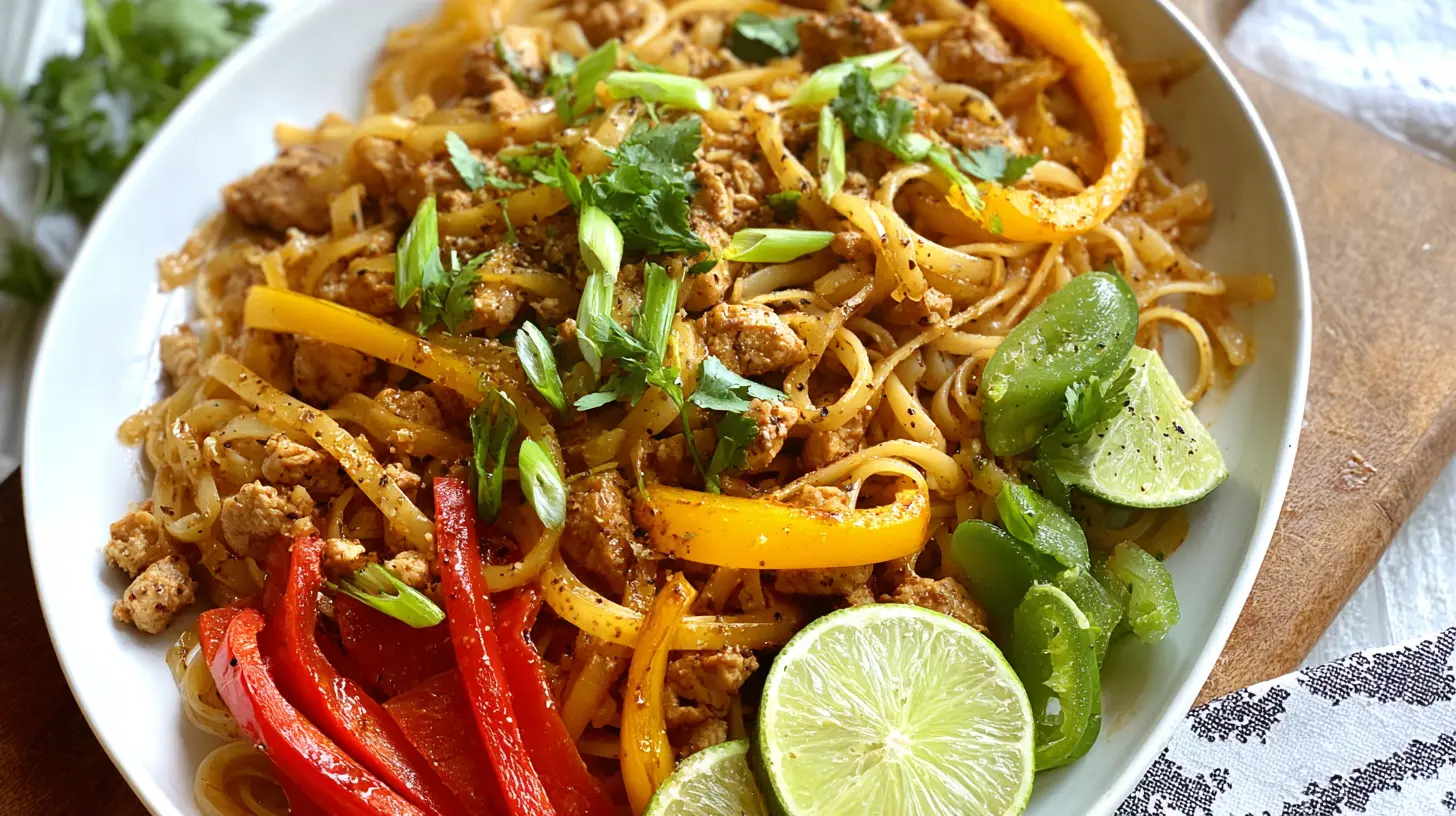
It used to be that a healthy dinner meant spending an hour or more in the kitchen, carefully chopping, simmering, and stirring. But life gets busy, and sometimes, the best intentions melt away when hunger strikes and the clock is ticking. I’ve been there so many times, staring into the fridge at 6 PM, wondering how I’m going to whip up something nutritious without resorting to takeout. That’s why I started experimenting with meals that prioritize both speed and health, and let me tell you, discovering how to consistently create an Easy Dinner Recipe Healthy in 20 Minutes has been a game-changer. It’s not just wishful thinking; it’s entirely doable, and I’m excited to share some of my go-to strategies and dishes that prove it.
Why cook this at home?
Why should you bother making a healthy dinner in 20 minutes when there are so many convenient (but often less healthy) options out there? Well, for starters, taking control of your ingredients means you know exactly what’s going into your body – no hidden sugars, excessive sodium, or unhealthy fats. Plus, it’s significantly kinder to your wallet than ordering takeout every night. These quick healthy dinners also offer a fantastic sense of accomplishment, turning what feels like a stressful chore into a satisfying act of self-care. Imagine coming home after a long day and, in less time than it takes to decide on a delivery order, you’re sitting down to a fresh, delicious, and nourishing meal. It’s perfect for busy weeknights, meal prepping for lunches, or even when you just want to eat well without the fuss.
“I used to think ‘healthy’ and ’20 minutes’ were mutually exclusive when it came to dinner. This article totally changed my mind! The ideas are so simple yet brilliant, and I’ve already saved so much time and money.” – A recent convert
The cooking process explained
Achieving a healthy dinner in just 20 minutes hinges on a few key principles: efficient prep, smart ingredient choices, and streamlined cooking methods. The general approach involves selecting ingredients that cook quickly (think lean proteins like shrimp, thin-cut chicken, or eggs, and fast-cooking vegetables like spinach, bell peppers, or pre-chopped greens). We’ll often employ high-heat cooking methods like stir-frying, sautéing, or quick baking/broiling. The magic also happens with minimal chopping and smart use of pantry staples like canned beans, pre-cooked grains, or ready-made sauces.
Our six dishes generally follow these steps:
- Prep in parallel: While one item cooks, prepare the next.
- Hot and fast: Use high heat for quick searing or wilting.
- One-pan wonders: Minimize cleanup and maximize flavor in a single pan or pot.
By focusing on these elements, you can transform simple ingredients into a fulfilling meal with surprising speed.
What you’ll need
For these lightning-fast, healthy dinners, having certain staples on hand makes all the difference. Here’s a general overview of the key ingredients you’ll want to have in your pantry and fridge:
- Proteins: Boneless, skinless chicken breasts (thin-sliced), shrimp (peeled and deveined), eggs, canned chickpeas or black beans, firm tofu.
- Vegetables: Spinach, kale, broccoli florets, bell peppers, cherry tomatoes, zucchini, pre-chopped salad mixes, frozen mixed vegetables.
- Grains/Carbs: Quick-cooking quinoa, instant brown rice, whole wheat pasta (like angel hair or rotini), whole wheat tortillas.
- Flavor Boosters: Garlic, ginger (minced or paste), soy sauce (low sodium), olive oil, sesame oil, vinegar (rice, balsamic, apple cider), dried herbs (oregano, basil, thyme), onion powder, garlic powder, red pepper flakes, lemon.
- Dairy/Fats: Feta cheese, Parmesan cheese, avocado, plain Greek yogurt.
Many of these items are incredibly versatile and can be mixed and matched across different quick recipes. Don’t be afraid to substitute vegetables based on what you have and what’s in season!
Directions to follow
While each of the six dishes has its unique steps, here’s a general framework that many quick healthy meals adhere to. Think of this as your playbook for getting dinner on the table in 20 minutes flat.
- Mise en Place (5 minutes): This French term simply means “everything in its place.” Before you even turn on the heat, gather all your ingredients, chop any necessary vegetables, and measure out your spices and sauces. For quick meals, this step is non-negotiable.
- Heat Your Pan/Pot (1 minute): Get your cooking surface hot while you’re doing your final prep. A hot pan is crucial for quick searing and stir-frying.
- Cook Protein (5-8 minutes): Add your quick-cooking protein (chicken, shrimp, tofu, eggs) to the hot pan. Season it well. Ensure it’s cooked through.
- Add Vegetables (3-5 minutes): Introduce your fast-cooking vegetables. Stir-fry, sauté, or wilt them until tender-crisp. You want them cooked but still with a bit of bite.
- Incorporate Carbs/Sauce (2-3 minutes): If using quick-cook grains or pasta, add them in now. If adding a sauce, pour it over and toss everything to coat, letting it simmer briefly to meld the flavors.
- Finish & Serve (1 minute): A final taste test, a squeeze of lemon, a sprinkle of fresh herbs, and voilà! Dinner is ready.
By overlapping tasks and working efficiently, you’ll find that 20 minutes is more than enough time to create a satisfying and healthy meal.
How to plate and pair
Serving your 20-minute healthy dinner isn’t just about putting it on a plate; it’s about making it an enjoyable experience!
One-Pan Wonders: For stir-fries or skillet meals, a simple bowl with a sprinkle of fresh cilantro, sesame seeds, or a wedge of lime makes it look inviting.
Pasta Dishes: A swirl of whole wheat pasta topped with your quick sauce, a grating of Parmesan, and a few fresh basil leaves elevates the look.
Salad Bowls: Arrange greens on the bottom, layer with your protein and other veggies, then drizzle with a vinaigrette. A few nuts or seeds add texture and visual appeal.
Tacos/Wraps: Serve components separately (protein, salsa, avocado, shredded lettuce) so everyone can build their own. This adds an interactive element.
For side dishes, remember our 20-minute rule! Steamed edamame, a simple green salad with a store-bought vinaigrette, or a quick fruit salad are all excellent choices that don’t add significant cooking time. A glass of sparkling water with lemon or a light herbal tea can complete the meal beautifully.
Keeping leftovers fresh
Even with 20-minute meals, sometimes you have leftovers, and proper storage is key to extending their life and ensuring safety.
- Cool Quickly: As soon as your meal has cooled down to room temperature (within 1-2 hours), transfer it to airtight containers. Don’t leave food out on the counter too long.
- Refrigerate: Store these meals in the refrigerator for up to 3-4 days. Glass containers are excellent as they don’t stain or retain odors and can often go straight into the microwave or oven (without lid).
- Reheating: Most of these dishes reheat well in the microwave. For best results, reheat in short bursts, stirring occasionally, until heated through. Alternatively, for dishes like stir-fries or skillet meals, reheat gently in a pan on the stovetop over medium heat, adding a splash of water or broth if needed to prevent drying out.
- Freezing: While some components (like cooked quinoa or beans) freeze well, many of these 20-minute meals are best enjoyed fresh or from refrigeration. Dishes with creamy sauces or delicate vegetables might not fare as well in the freezer. However, cooked lean protein (like chicken or shrimp) can often be frozen separately for quick future assembly. Always label containers with the date for easy tracking.
Practical cooking tips
Making meals quickly and efficiently isn’t just about the recipe; it’s about smart kitchen habits. Here are a few pro tips to make your 20-minute dinners even smoother:
- Batch Prep Smart: On a weekend, chop an onion, bell peppers, or garlic for the week. Pre-cook a batch of quinoa or brown rice. This shaves off precious minutes on busy weeknights.
- Master Your Knife: Quick, efficient chopping is a huge time-saver. If you’re not confident, invest in a good sharp knife and practice basic cuts. It makes a world of difference.
- Read the Recipe First: Before you even pull out a pan, read through the entire recipe. This helps you anticipate steps, gather ingredients, and prevent mid-cooking fumbles.
- High Heat is Your Friend (for some things): For stir-fries and searing proteins, a screaming hot pan means faster cooking and better flavor development. Just make sure to have your ingredients ready to go!
- Don’t Overcrowd the Pan: This is a common mistake. If you put too much food in a pan, it steams instead of sears, which means soggy veggies and bland protein. Cook in batches if necessary.
- Season as You Go: Don’t wait until the very end to season. A little salt and pepper at each stage build layers of flavor and reduce the need for last-minute adjustments.
- Clean as You Cook: While daunting, tackling small messes as you wait for water to boil or protein to sear saves you from a mountain of dishes at the end.
Flavor swaps
One of the joys of cooking quickly is the flexibility to swap ingredients based on what you have or what you crave. Here are some easy variations to keep your 20-minute healthy dinners exciting:
- Protein Power:
- Instead of chicken, try shrimp, thinly sliced lean beef, firm tofu, edamame, or even a couple of fried eggs for a vegetarian twist.
- Canned tuna or salmon can be flaked into salads or wraps for instant protein.
- Veggie Vibes:
- Swap out spinach for kale, Swiss chard, or any quick-wilting green.
- Broccoli can become cauliflower, asparagus, or green beans.
- Got a freezer full of mixed veggies? Throw them in! They cook super fast.
- Grain Game:
- If you don’t have quick-cook quinoa, instant brown rice or even whole wheat couscous are excellent alternatives.
- Whole wheat tortillas can replace lettuce wraps, or vice versa, for a different texture.
- Sauce Savvy:
- Beyond soy sauce, experiment with jarred pesto, a lemon-herb vinaigrette, a splash of sriracha for heat, or even a dollop of hummus to creamy up a bowl.
- A quick garlic-lemon-olive oil dressing works wonders on almost anything.
- Herb & Spice It Up:
- Don’t limit yourself to salt and pepper. Smoked paprika, cumin, chili powder, Italian seasoning, or a Mexican blend can completely change the profile of a dish.
- Fresh herbs like cilantro, parsley, or basil add a pop of freshness at the end.
These simple adjustments allow you to keep the cooking time consistent while preventing mealtime monotony.
Common questions
Q1: Can I really make a healthy dinner in just 20 minutes?
A: Absolutely! The key is smart planning, efficient execution, and choosing ingredients that cook quickly. Our 6 dishes are specifically designed with this time constraint in mind, focusing on lean proteins, fast-cooking vegetables, and streamlined methods. With a little practice, you’ll be surprised at how easily you can achieve this.
Q2: What’s the best way to meal prep for these 20-minute dinners?
A: For optimum speed, focus on “component prep.” That means washing and chopping all your vegetables at the beginning of the week, pre-measuring spices into small containers, or cooking a batch of grains like quinoa or brown rice. Having these ready-to-go elements drastically cuts down on active cooking time when you’re ready to make dinner.
Q3: Are these recipes freezer-friendly?
A: While some individual components (like cooked chicken or certain grains) are freezer-friendly, many of these 20-minute meals are best enjoyed fresh or after being refrigerated for a few days. The quick-cooking nature often means they rely on vibrant, fresh textures that can sometimes diminish after freezing. If you do freeze, ensure airtight containers and consume within 1-2 months for best quality.
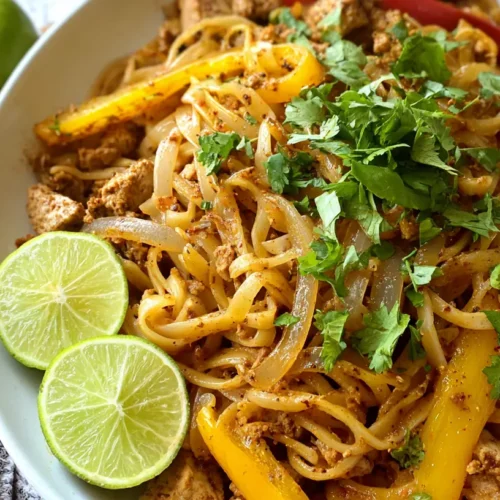
Zesty Lemon Herb Chicken & Asparagus Skillet
Equipment
- Large skillet
Ingredients
Main Ingredients
- 1 tbsp olive oil
- 1 lb boneless, skinless chicken breast cut into 1-inch pieces
- 1 bunch asparagus trimmed and cut into 1-inch pieces
- 2 cloves garlic minced
- 1/2 tsp dried oregano
- 1/4 tsp red pepper flakes optional
- 1/2 lemon juice from 1/2 lemon
- 2 tbsp fresh parsley chopped
- Salt and freshly ground black pepper to taste
Instructions
Cooking
- Heat olive oil in a large skillet over medium-high heat.
- Add chicken to the skillet, season with salt and pepper, and cook for 5-7 minutes until browned and cooked through. Remove chicken and set aside.
- Add asparagus to the same skillet and cook for 3-5 minutes until tender-crisp.
- Stir in minced garlic, oregano, and red pepper flakes; cook for 30 seconds until fragrant.
- Return chicken to the skillet, then drizzle with lemon juice and sprinkle with fresh parsley. Toss to combine.
- Season with additional salt and pepper, then serve immediately.