
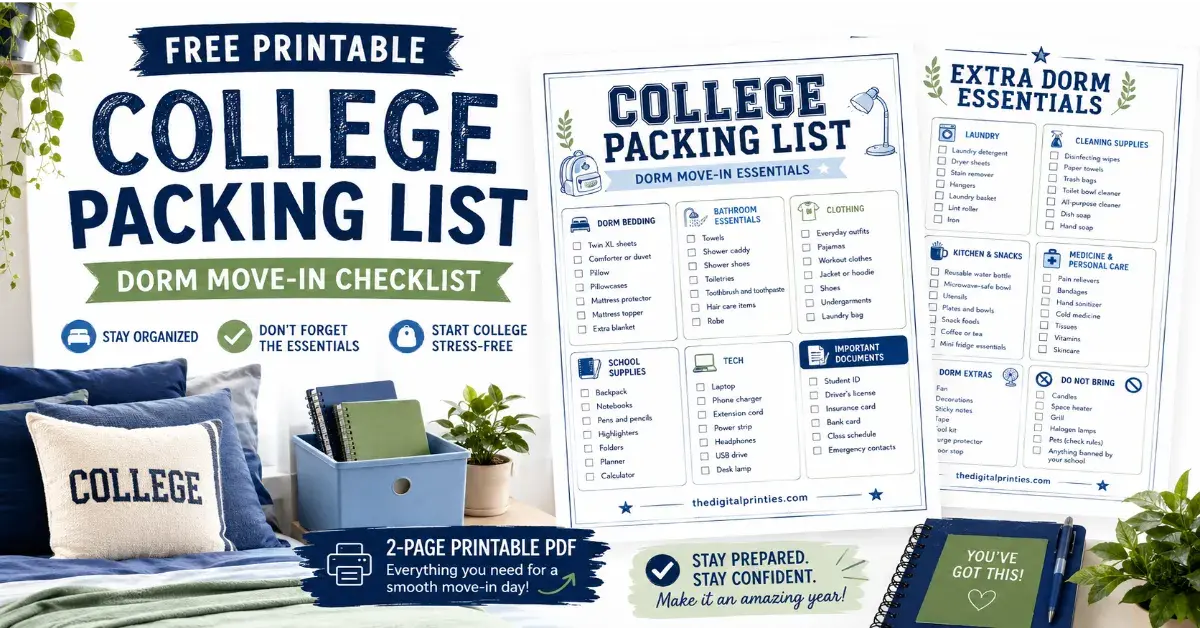
Moving into college is a monumental milestone, not just for the student, but for the entire family. I remember my own move-in day vividly—a chaotic whirlwind of boxes, last-minute runs to the campus store, and that bittersweet feeling of independence mixed with a touch of uncertainty. Over the years, I’ve helped countless friends and family members navigate this exciting yet often stressful experience. The truth is, a smooth college move-in day isn’t about luck; it’s about preparation. And that’s exactly what we’re going to dive into today: ensuring both you and your student are fully equipped for a seamless transition into college life.
Why You’ll Love These Prep Tips
Move-in day can feel like a high-stakes scavenger hunt, but it doesn’t have to be. These tips aren’t just about packing; they’re about strategic planning that reduces stress, saves time, and helps your student start their college journey feeling confident and prepared. We’re talking about avoiding those frantic last-minute dashes for forgotten essentials, navigating the campus like a pro, and setting up a comfortable, functional living space from day one. Think of it as a cheat sheet to bypassing common move-in day pitfalls, giving you more time for emotional goodbyes and less time wrestling with stubbornly taped boxes.
> “I used a similar checklist for my daughter’s move-in, and it made an incredible difference. We were in and out in record time, and she felt so much more settled. Highly recommend a solid prep plan!” — A relieved parent
The College Move-In Day Preparations Explained
Getting ready for college move-in day involves more than just throwing clothes into a suitcase. It’s a multi-faceted process that, when broken down, becomes incredibly manageable. We’ll focus on four key areas: strategic packing, understanding campus logistics, setting up the dorm room, and managing emotions. Each component plays a crucial role in ensuring a smooth and positive experience for everyone involved. By tackling these steps systematically, you can transform what often feels like a logistical nightmare into an exciting new chapter.
What You’ll Need
For Strategic Packing:
- Move-In Day Checklist (downloadable/printable): A structured list to ensure nothing is forgotten.
- Suitcases/Duffel Bags: For clothes and personal items.
- Stackable Storage Bins with Lids: Ideal for organizing and transporting items.
- Vacuum Seal Bags: To save space for bulky items like bedding and winter clothes.
- Labeling System (markers, stickers, tape): To clearly mark boxes by contents and room area.
- Tool Kit: Small hammer, screwdriver set, command strips, painter’s tape, zip ties, small level.
- Cleaning Supplies (small kit): All-purpose cleaner, paper towels, disinfecting wipes, small vacuum/dustbuster.
For Campus Logistics:
- Campus Map: Highlighted with dorm, parking, and key facilities.
- Important Documents Folder: Financial aid, ID, health insurance, housing contract.
- Chargers & Power Banks: For phones and devices on the go.
- Comfortable Shoes: For walking around campus.
- Reusable Water Bottles & Snacks: Stay hydrated and energized.
For Dorm Room Setup:
- Bedding: Sheets, comforter, pillows (check dorm bed size – usually Twin XL).
- Toiletries: Full supply including shower caddy, towels.
- Desk Supplies: Laptop, pens, notebooks, stapler, printer (if allowed/needed).
- Decorations: Posters, photos, fairy lights (to personalize the space).
- Mini-fridge & Microwave (if allowed): Essential for snacks and quick meals.
- Storage Solutions: Under-bed storage, closet organizers, drawer dividers.
For Emotional Support:
- Tissues: For inevitable goodbyes.
- Camera/Phone: To capture memories.
- Open Mind & Patience: Crucial for adapting to new environments.
Directions to Follow: The 4 Best Ways to Prepare
This isn’t just a list of things to pack; it’s a roadmap to a stress-free move-in day. Follow these four strategies to ensure everything runs smoothly.
1. Strategic Packing: The Art of Organization
- Start Early: Begin compiling a master checklist weeks, or even months, in advance. This gives you time to purchase items during sales and avoid last-minute rushes.
- Sort & Declutter: Go through everything with your student. What genuinely needs to come? What can be left behind? College dorms are notoriously small.
- Categorize and Label: Pack items by category (e.g., “Bathroom,” “Desk Supplies,” “Clothes – Dresser”) and clearly label all boxes and bins on multiple sides. Use different colored labels for different rooms or categories if that helps.
- Use Stackable Bins: Instead of cardboard boxes, invest in stackable plastic bins with lids. They’re easier to carry, protect contents better, and double as storage in the dorm.
- Pack an “Open First” Box: Include essential toiletries, a change of clothes, a towel, basic cleaning supplies, snacks, and any medication. This box should be easily accessible upon arrival.
- Vacuum Seal Bulky Items: Bedding, towels, and seasonal clothes can take up an enormous amount of space. Vacuum seal bags are a game-changer.
2. Master Campus Logistics: Know Before You Go
- Review University Communications: Colleges send out detailed move-in guides. Read them thoroughly for specific dates, times, parking instructions, and any staggered arrival protocols.
- Study the Campus Map: Locate the dorm building, designated unloading zones, parking areas, and key facilities like dining halls, student services, and the nearest campus store. Having a clear plan of attack prevents endless circling.
- Pre-Register for Move-In (if applicable): Many universities require online registration for move-in times. Don’t miss these deadlines!
- Gather Important Documents: Keep a folder with copies of acceptance letters, housing contracts, financial aid information, ID, health insurance cards, and any necessary medical forms. These might be needed for campus registration or emergencies.
- Plan for Help: Find out if the university provides move-in volunteers. If not, consider asking strong family members or friends to assist.
3. Dorm Room Setup: Making it Home
- Coordinate with Roommates: Encourage your student to connect with their roommate(s) beforehand. This helps avoid duplicate items (like microwaves or mini-fridges) and allows for collaborative decor ideas.
- Measure First: If possible, get dorm room dimensions (often available online). This is crucial for furniture layout and determining what storage solutions will fit.
- Prioritize Essentials: Focus on getting the bed made, basic toiletries unpacked, and study space set up first. The rest can follow.
- Command Strips are Your Friend: These are invaluable for hanging decor without damaging walls, as nails are generally prohibited.
- Create Zones: Help your student think about their room in terms of “zones”: sleep, study, lounge, and storage. This helps maximize small spaces.
- Small Tool Kit: A basic toolkit (screwdriver, small hammer, command strips, zip ties) can be incredibly useful for assembling shelving or handling minor fixes.
4. Emotional Preparedness: Navigating the Rollercoaster
- Open Communication: Talk with your student about their feelings and anxieties. Acknowledge that it’s a big change for everyone.
- Set Expectations: Remind them that dorm rooms are small, and it will take time to adjust. It won’t look like a magazine spread on day one.
- Plan a Farewell: Have a dedicated “last meal” or special activity before move-in to create a positive memory.
- Keep Goodbyes Brief: While emotional, prolonged goodbyes can make the transition harder. Offer support, express your love, and then step back to allow your student to begin their independent journey.
- Trust the Process: College is designed for students to learn and grow. Trust that they will adapt, make friends, and find their way.
Best Ways to Enjoy It
Move-in day isn’t just about the practicalities; it’s also about creating positive memories. Wear comfortable clothes and shoes because you’ll be doing a lot of lifting and walking. Have a cooler with water and snacks handy – campus food might not be immediately accessible, and everyone gets hungry and thirsty during a move. Embrace the chaos with a sense of humor. Take photos and videos to capture this significant moment. Once the room is set up, step back and let your student take ownership. Perhaps grab a casual meal together off-campus as a final family send-off, or simply enjoy a quiet moment reflecting on the exciting journey ahead.
Keeping Leftovers Fresh: How to Store College Memories
While you can’t “store” the physical act of moving, you can certainly preserve the memories and lessons learned. Keep a copy of your perfected move-in checklist for future reference if you have other children heading to college. Label the empty storage bins clearly and put them away for next year’s move-out day. As for the emotional “leftovers,” cherish the photos and videos from the day. Write down any specific challenges or successes you encountered—these tips become invaluable wisdom for friends or family embarking on their own college move-in adventures.
Helpful Cooking Tips
Think of move-in day as a well-orchestrated culinary masterpiece.
- Mise en Place (Everything in its Place): Just like having all your ingredients prepped before cooking, having all boxes labeled, documents organized, and a campus map studied will make the process flow seamlessly.
- Batch Prep: Don’t try to do everything the day before. Spread out the packing and organizing over several weeks to avoid burnout.
- Taste Test (Trial Run): If possible, mentally “walk through” the move-in process. Where will you park? How will you get things from the car to the room? This helps identify potential bottlenecks.
- Don’t Overcrowd the Pan: Resist the urge to pack too much. A less cluttered room is easier to organize and maintain, and college items can often be bought or ordered once on campus.
Creative Twists
While move-in day is largely a functional event, you can add personal touches to make it special.
- Personalized “Welcome to College” Kit: A small basket with favorite snacks, a comfort item from home, a handwritten note, and maybe a gift card to a nearby coffee shop.
- Decorating Theme: Encourage your student and their roommate to pick a fun, simple decorating theme (even just a color scheme) to make the room feel more cohesive and welcoming.
- “First Night” Necessities: Pack a small bag with pajamas, a book, headphones, and comfortable clothes for the next day, ensuring your student has immediate access to relaxation after a long day.
- Virtual Campus Tour: Before arriving, do a virtual walk-through of the campus and dorm if available online. This reduces anxiety and helps orient everyone.
Common Questions
How early should I start packing for college?
A: It’s never too early to start planning! For gathering items, shopping for sales, and decluttering, start 2-3 months in advance. For actual packing, begin 2-3 weeks before move-in day, focusing on non-essential items first, then gradually moving to more frequently used items.
What’s the one thing people always forget on move-in day?
A: Often, it’s basic tools or essential cleaning supplies. A small multi-tool, a roll of paper towels, and some disinfecting wipes can be absolute lifesavers for minor assembly or giving surfaces a quick wipe-down before unpacking. Also, don’t forget a first-aid kit for small scrapes or headaches.
Should I buy a mini-fridge and microwave before move-in, or wait?
A: It’s best to coordinate with your student’s roommate first. Many dorms only allow one of each per room, and it’s a great opportunity for them to split costs. Some universities also have appliance rental programs or specific guidelines about what’s permitted, so check the housing rules beforehand. If you decide to buy, consider purchasing once you’re geographically closer to the campus to avoid transporting bulky items long distances.
The Ultimate College Move-In Day Checklist & Survival Guide
Equipment
- Clear bins
- Labeled boxes
- Mini-fridges
- Microwaves
- Storage risers
- Over-the-door organizers
- Stackable bins
- Under-bed storage bins
- Drawer organizers
- Airtight containers
Ingredients
Essential Documents & IDs
- Student ID
- Driver’s License/State ID
- Insurance Card health & car
- Bank Card/Credit Cards
- Copies of important documents
- Emergency contact list
Room Essentials
- Bedding sheets, comforter, pillows
- Towels bath, hand, washcloths
- Shower caddy
- Toiletries
- Laundry bag/hamper
- Detergent
- Power strip/surge protector
- Desk lamp
- Light bulbs
- Mini first aid kit
- Small toolkit
Clothes & Personal Items
- Seasonal clothing
- Pajamas & loungewear
- Workout clothes & shoes
- Rain gear umbrella, jacket
- Hangers
- Medications prescription & OTC
Academic Supplies
- Laptop
- Charger
- Headphones
- Notebooks
- Pens
- Highlighters
- Backpack
- Textbooks if purchased ahead
Optional Comforts
- Decorations posters, photos
- Snacks & non-perishable food
- Small fan
- Extension cords
- Reusable water bottle
Packing Supplies
- Clear bins/labeled boxes
- Reusable plastic bins
- Color-coded labels
Emergency Kit
- Band-aids
- Pain relievers
- Cold medicine
- Personal medications
Instructions
Preparation
- Start gathering items weeks before move-in day, using clear or labeled bins to group similar items for easy unpacking.
- Check your college’s housing website for specific dorm room details like dimensions, approved appliances, and prohibited items.
- Pack a separate “First Night” box with immediate essentials like pajamas, toiletries, a change of clothes, charger, important documents, and medications.
- Coordinate with roommates to decide who will bring shared items such as mini-fridges or microwaves to avoid duplicates.
Packing and Moving
- Maximize dorm room space by utilizing storage risers, over-the-door organizers, and stackable bins.
- Ensure you have an emergency kit packed with first-aid basics and any personal medications.
- Take photos of your dorm room’s condition before unpacking to document its state for move-out.
- Clearly label every box and bin with its contents and intended room to streamline unpacking.
- Invest in reusable plastic bins for packing, as they are durable for moving and can also be used for storage.
- Avoid overpacking; dorm rooms are small, so be realistic about what you need.
- Dress comfortably for move-in day as it will involve physical work, and stay hydrated by keeping a water bottle handy.
- Expect potential delays and approach any issues with patience and flexibility.
Settling In
- Once moved in, prioritize making your bed and unpacking your “first night” box. Set up your desk area and add personal touches like photos or posters.
- Use under-bed storage for out-of-season items, drawer organizers for supplies, and a dedicated folder for important documents.
- Use airtight containers for snacks to keep them fresh and organized.