
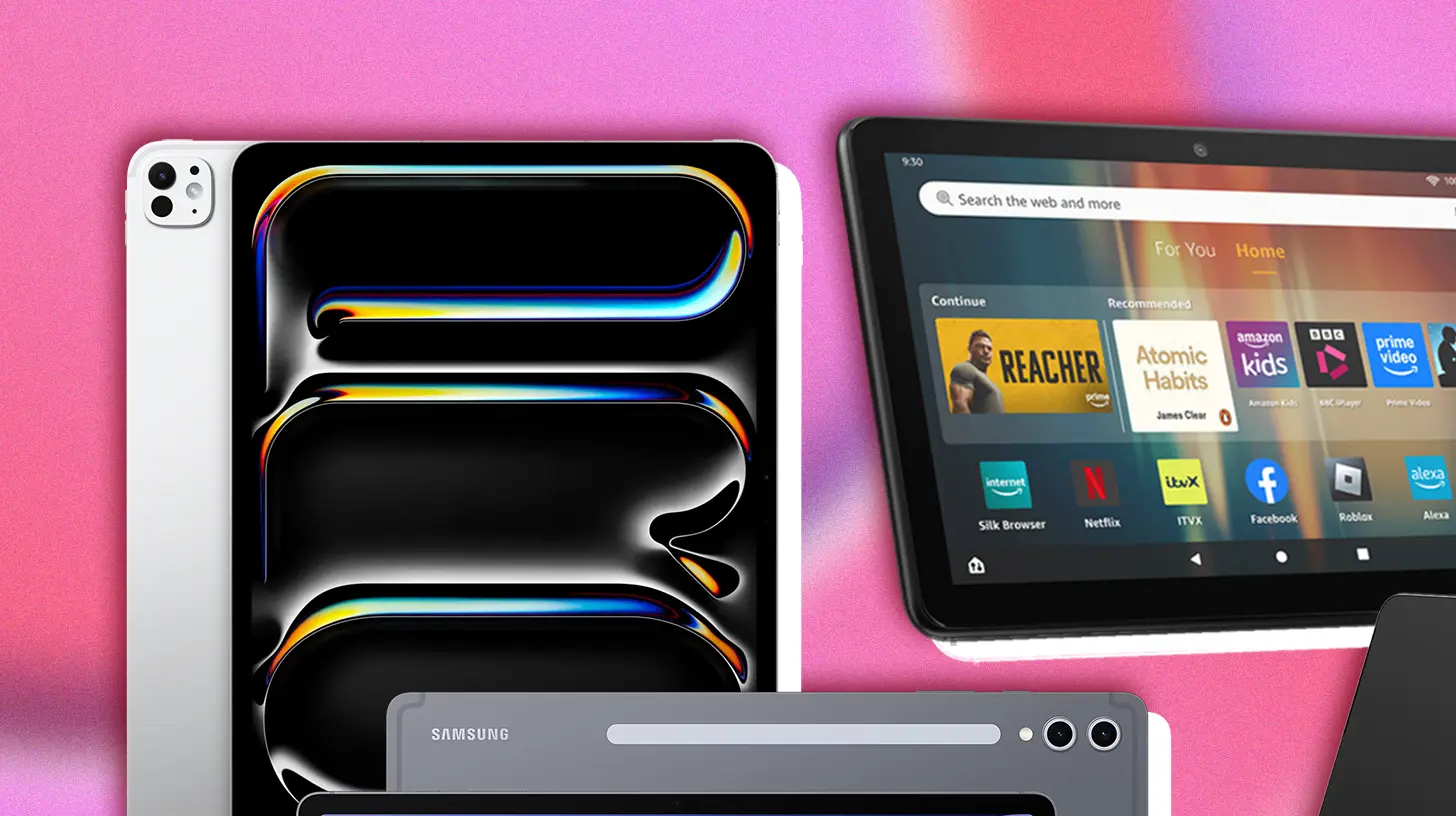
It wasn’t that long ago that a tablet felt like a luxury item, a “nice to have” rather than a necessity. But these days, especially for students, a good tablet can be just as crucial as a reliable laptop or a stack of textbooks. From taking notes in lectures to researching for assignments, collaborating on projects, or even just unwinding with an e-book after a long day, tablets have become indispensable study companions. The big hurdle, however, is often the price tag. I remember staring at those shiny new devices, wondering how on earth I’d afford one while juggling tuition and rent. That’s why I’m here to tell you that getting a capable tablet without draining your bank account is absolutely achievable.
Why you’ll love this guide
Navigating the tech market on a student budget can feel like a mission impossible. You want something functional, reliable, and maybe even a little bit stylish, but the prices can be daunting. This guide is designed specifically for you – the savvy student who needs technology but also needs to save every penny possible. We’re not just looking for the cheapest options out there; we’re looking for smart ways to acquire a genuinely useful device that enhances your academic life without causing financial stress.
> “As a student, every dollar counts. This guide helped me understand not just what to buy, but how to buy smart. I got a fantastic tablet that does everything I need, and I still had money left over for coffee!” – A grateful student review
How this guide helps you save money on a tablet
Before we dive into specific models or deals, understanding the overarching strategies is key. This section lays out the four primary avenues you can explore to significantly reduce the cost of an affordable tablet for students. It’s about being strategic, patient, and knowing where to look to get the most bang for your buck.
What you’ll need
You won’t need much for this guide, mostly an open mind and perhaps a pen and paper to jot down ideas!
- An internet connection: For researching deals, comparing prices, and checking out different retailers.
- A budget in mind: Even if it’s a flexible number, having a rough idea of what you can spend is crucial.
- A list of your essential needs: What tasks must your tablet perform? (e.g., note-taking, reading PDFs, video calls, light gaming). This helps filter out unnecessary features.
Directions to follow
Here are the four smart strategies to help you find an affordable tablet for students:
- Embrace Refurbished & Certified Pre-Owned: This is arguably one of the most effective ways to save significant money. Many retailers and manufacturers offer “certified refurbished” devices. These aren’t just used tablets; they’ve been professionally inspected, repaired (if necessary), cleaned, and tested to ensure full functionality, often coming with a warranty.
- Where to look: Apple’s Certified Refurbished store, Amazon Renewed, Best Buy Outlet, and reputable electronics refurbishers.
- Why it’s great: You can often get a previous-generation, higher-spec tablet for the price of a brand new budget model.
- Hunt for Seasonal Sales & Student Discounts: Timing your purchase wisely can lead to substantial savings. Keep an eye out for major sales events throughout the year.
- When to look: Back-to-school season (July-September), Black Friday/Cyber Monday (November), Prime Day (July), and seasonal clearance sales.
- Student Discounts: Don’t forget that many manufacturers (like Apple, Samsung, Microsoft) and retailers offer specific student discounts through platforms like UNiDAYS or by verifying your student ID directly. These can be 10-15% off, which adds up!
- Consider Last-Generation Models: Technology evolves rapidly. When a new tablet model comes out, the immediately preceding generation often sees a significant price drop. These “older” models are usually still incredibly capable for student tasks and can be far more affordable.
- Examples: Instead of the latest iPad Air, look at a slightly older iPad Air model. Or, if Samsung just released a new Tab S series, check for discounts on the previous year’s Tab S model.
- Why it works: The performance difference for typical student use (browsing, writing, streaming) is often negligible, but the price difference can be huge.
- Explore Lesser-Known but Reputable Brands: While Apple and Samsung dominate, there are other manufacturers producing excellent, budget-friendly tablets that perform well for student needs. Brands like Lenovo, Amazon Fire (especially for reading and light tasks), and even some specific Huawei or Xiaomi models (check for Google services availability) can offer great value.
- Research is key: Read reviews focusing on battery life, screen quality, and performance for common tasks.
- Think about your ecosystem: If you’re already deeply invested in Android, an Android tablet from a different brand might be a more seamless experience than switching to an entirely new OS.
How to make the most of your affordable tablet
Once you’ve secured your budget-friendly tablet, here’s how to ensure it serves you well throughout your academic journey.
- Protect it: A good case and a screen protector are non-negotiable. An affordable tablet for students is still an investment, and drops happen!
- Optimize storage: Use cloud storage (Google Drive, OneDrive, Dropbox) for documents and large files to save precious on-device storage.
- Explore productivity apps: Many excellent note-taking, PDF annotation, and productivity apps are free or offer student discounts (e.g., Google Keep, OneNote, Adobe Acrobat Reader).
- Keep it updated: Software updates often bring performance improvements and security patches, keeping your device running smoothly for longer.
How to store your options
Think of “storing” here as keeping track of your research and potential purchases.
- Create a spreadsheet or a simple note: List the tablets you’re considering, their prices (new, refurbished, on sale), where you found them, and their key specs.
- Set price alerts: Many websites and apps (like CamelCamelCamel for Amazon) allow you to set alerts for when a product’s price drops.
- Bookmark pages: Keep direct links to the products you’re interested in for quick comparison.
Helpful cooking tips for your tablet hunt
- Define your “must-haves” before you start: Do you absolutely need a pen for note-taking? A specific amount of storage? This helps narrow down your search and avoids overspending on features you won’t use.
- Read recent reviews: Technology changes quickly. A tablet that was great two years ago might be sluggish now. Look for reviews from the last 6-12 months.
- Don’t dismiss older iPads or Samsung Galaxy Tabs: Often, a 2-3 year old flagship tablet will outperform a brand new budget tablet from a less reputable brand. Their ecosystem and longevity are also often superior.
- Check return policies: Especially for refurbished items, make sure you understand the return policy in case the device isn’t up to par.
Creative twists on saving
Beyond the main four strategies, here are a few more creative ways to get an affordable tablet for students:
- Family hand-me-downs: See if a family member is upgrading and willing to pass down their older, still perfectly functional tablet.
- University programs: Some universities have loan programs for tech or special deals with manufacturers for their students. Check your student portal or IT department.
- Bundle deals: Sometimes, mobile carriers or internet providers offer tablets at a reduced price when you sign up for a new plan. Just make sure the overall cost (plan + tablet) is genuinely a saving.
Common questions
Can an Amazon Fire tablet be a good option for students?
For very basic tasks like reading e-books, consuming content, and light web browsing, yes, an Amazon Fire tablet can be incredibly affordable. However, they run Amazon’s Fire OS, which is a modified version of Android and has a limited app store. If you need specific productivity apps (like Microsoft Office suite, advanced note-taking apps, or specific university software), a Fire tablet might not be sufficient. Always check app compatibility before buying.
How much RAM is enough for a student tablet?
For smooth multitasking and running typical student applications, aim for at least 4GB of RAM. If your budget allows, 6GB or 8GB will offer a noticeable performance boost and better future-proofing, especially if you plan on keeping many apps open or doing more demanding tasks like light video editing or advanced research.
Is it safe to buy a refurbished tablet?
Yes, generally it is safe, provided you buy from a reputable seller that offers a warranty. “Certified refurbished” usually means the device has been inspected and restored by the manufacturer or an authorized expert. Avoid buying simply “used” from unknown sellers without any guarantee, as you risk mechanical issues. Always check the seller’s reputation and return policy.
The Savvy Student’s Tablet Selection
Equipment
- Tablet
- Stylus
- Keyboard
- Case
- Screen Protector
Ingredients
Tablet Selection Factors
- 200-400 $ clear budget e.g., “$200-$400”
- primary use case e.g., “note-taking and e-reading”
- desired operating system e.g., “Android”
- preference for accessories e.g., “stylus support and keyboard compatibility”
- consideration for screen size & resolution e.g., “10-inch Full HD”
- 8+ hours desired battery life e.g., “8+ hours”
- 64 GB adequate storage capacity expandable via microSD
- sufficient performance level e.g., “smooth multitasking”
- durable build quality e.g., “plastic casing, shock-resistant cover recommended”
- connectivity option e.g., “Wi-Fi only”
Software & Accessories
- Essential apps OneNote, Google Docs, PDF reader
- Optional accessories Bluetooth keyboard, active stylus, screen protector
Instructions
Preparation
- Define your budget clearly to set a foundational financial limit for your tablet purchase.
- Identify your primary intended uses for the tablet, such as reading, note-taking, or gaming.
- Choose your preferred operating system (Android, Fire OS, etc.) based on familiarity and application needs.
- List all essential accessories, like stylus support or keyboard compatibility, that are non-negotiable for your use.
Research & Selection
- Prioritize key specifications like screen size, battery life, storage, performance, build quality, and connectivity according to your student lifestyle.
- Research top tablet models that align with your budget and needs from trusted guides.
- Read recent user and expert reviews, specifically focusing on performance for academic tasks and real-world battery life.
- Look for sales events or consider certified refurbished options to maximize savings on your tablet purchase.
- Factor in the cost of necessary accessories, such as a case, screen protector, and input devices, into your overall budget.
Integration
- Load digital textbooks and essential productivity apps onto your new tablet and customize settings for an optimized study workflow.