
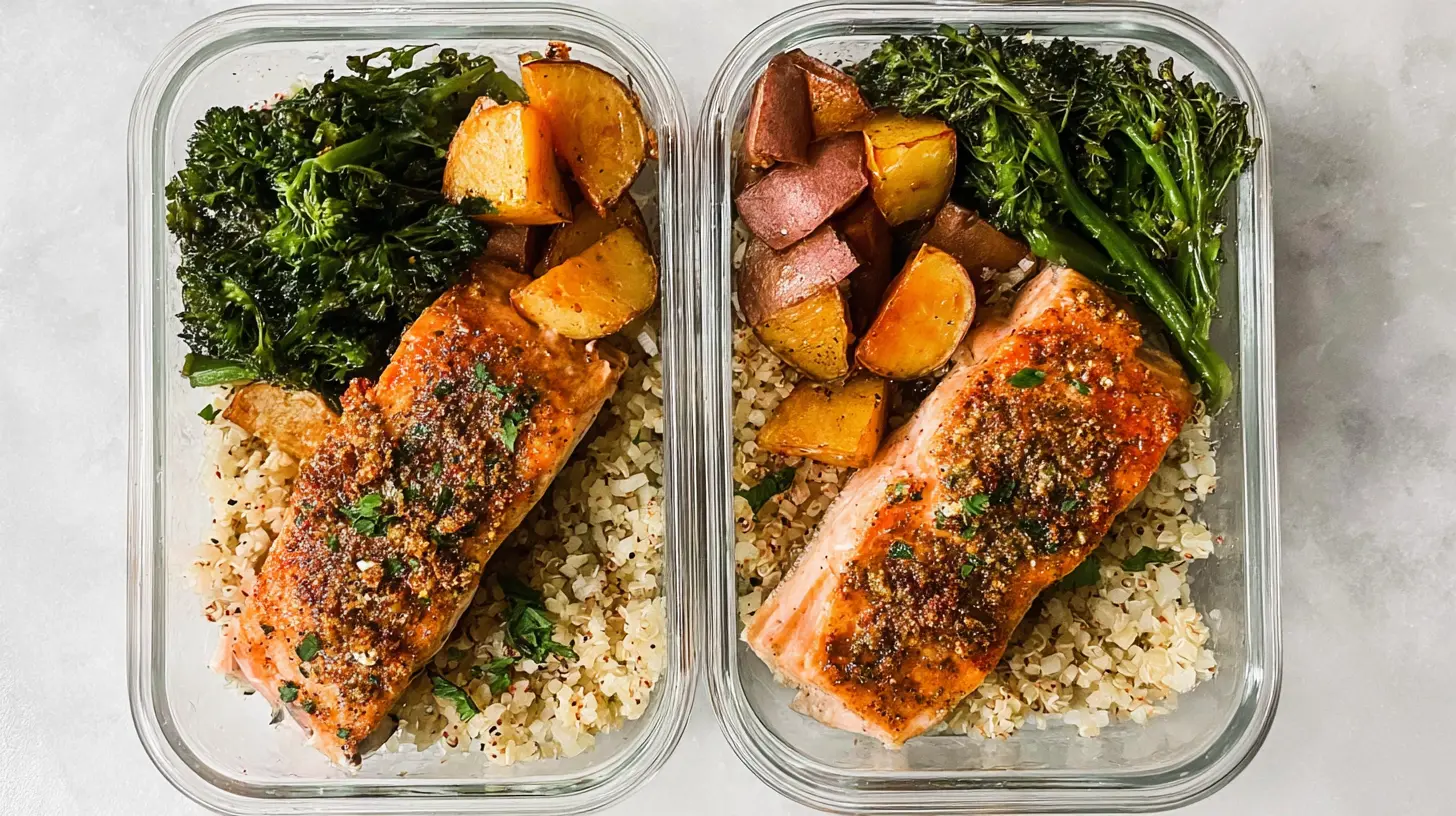
Eating well doesn’t have to break the bank, and my journey to healthier eating often led me to discover creative ways to make nutritious meals affordable. That’s why I’m so excited to share what I’ve learned about healthy salmon meal prep, especially when it comes to saving money without sacrificing flavor or quality. It’s truly amazing how a few clever strategies can transform your grocery bill and your weekly menu.
Why You’ll Love This Dish
Why bother with meal prepping, especially with something a little more premium like salmon? Well, the beauty of healthy salmon meal prep, particularly with these 8 smart savings tips, is that it directly addresses those common pain points of healthy eating: cost and convenience. You get to enjoy delicious, lean protein without the last-minute stress of cooking every night or the hefty price tag of takeout. It’s perfect for busy weeknights, grab-and-go lunches, or anytime you want a satisfying, wholesome meal ready in minutes. Plus, when you buy ingredients with a plan and a budget in mind, it really does make a huge difference.
> “I used to think salmon was too expensive for regular eating, but these meal prep tips totally changed my mind! Now I enjoy it several times a week without breaking my budget.” — A happy home cook
Step-by-Step Overview
Before we dive into the specific cost-saving tips, here’s a quick glance at how healthy salmon meal prep typically comes together. You’ll usually start by sourcing your salmon intelligently, often buying in bulk or looking for sales. Then, it’s all about efficient cooking techniques that yield delicious, perfectly cooked fish. Alongside that, you’ll prepare complementary, budget-friendly sides like roasted vegetables or grains. Finally, everything gets portioned and stored, ready for a week of easy, healthy meals. The real magic happens in how you plan and strategize your purchases and pantry use.
What You’ll Need
To embark on your healthy salmon meal prep journey, you’ll need a few key ingredients. Remember, the goal here is to be smart about your choices to maximize savings.
- Salmon Fillets: Fresh or frozen, look for good deals. Wild-caught is often preferred for health benefits, but sustainably farmed can be a more affordable option.
- Hearty Vegetables: Think broccoli, bell peppers, carrots, sweet potatoes, or green beans. These are often cheaper when bought in season or frozen.
- Grains/Starches: Brown rice, quinoa, or even whole wheat couscous are excellent, budget-friendly bases.
- Flavor Boosters: Lemon, garlic, dried herbs (dill, parsley, thyme), olive oil, salt, and pepper. These pantry staples go a long way.
- Meal Prep Containers: Essential for proper storage and portioning. Reusable containers are a smart investment.
Directions to Follow
Here’s a general roadmap for preparing your healthy salmon meal prep. The “8 smart savings tips” will thread through these steps, optimizing each one for your budget.
- Strategize Your Salmon Purchase: (Savings Tip 1: Buy in bulk or on sale.) Look for family packs or frozen salmon when prices are low. Thaw frozen salmon overnight in the fridge.
- Prep Your Veggies: While your salmon thaws, chop your chosen vegetables. (Savings Tip 2: Use seasonal or frozen vegetables.) Toss them with a little olive oil, salt, pepper, and your favorite herbs.
- Cook Your Grains: Start your chosen grain according to package directions. (Savings Tip 3: Cook grains in larger batches.) Brown rice or quinoa are great choices.
- Season the Salmon: Pat salmon fillets dry. Season generously with salt, pepper, garlic powder, and dried dill. A squeeze of lemon juice adds brightness. (Savings Tip 4: DIY seasonings reduce costs.)
- Cook the Salmon: You can bake, pan-fry, or air fry the salmon. Baking is often easiest for meal prep. Preheat oven to 400°F (200°C). Place salmon on a lined baking sheet and bake for 12-15 minutes, or until cooked through and flaky. (Savings Tip 5: Batch cook efficiently.)
- Roast the Vegetables: If baking, roast your seasoned vegetables alongside the salmon, adjusting cooking times as needed. Vegetables usually take longer, so you might start them earlier.
- Assemble and Portion: Once everything is cooked and slightly cooled, divide the salmon, vegetables, and grains into your meal prep containers. (Savings Tip 6: Portion control prevents waste.)
- Refrigerate Promptly: Allow meals to cool completely before sealing and refrigerating. (Savings Tip 7: Proper storage extends shelf life.)
- Plan Your Meals: Clearly label containers with the meal and date. (Savings Tip 8: Menu planning prevents impulse buys and food waste.)
Best Ways to Enjoy It
The beauty of healthy salmon meal prep is its versatility. You can enjoy your prepped meals as a straightforward plate of salmon, grains, and veggies. For a little variety, consider flaking the salmon over a bed of fresh greens for a quick salad, or even incorporating it into a whole wheat wrap with some hummus. A drizzle of a light vinaigrette or a squeeze of fresh lemon juice just before eating can really brighten up the flavors.
Keeping Leftovers Fresh
Proper storage is crucial for both food safety and extending the life of your healthy salmon meal prep. Once your meals are cooked and cooled, transfer them to airtight containers and refrigerate them as soon as possible, ideally within two hours. Salmon meals typically stay fresh in the refrigerator for 3-4 days. For longer storage, cooked salmon can be frozen for up to 2-3 months. Just be aware that the texture of fish can change slightly after freezing and thawing, but it will still be delicious and safe to eat. Thaw frozen meals overnight in the refrigerator before reheating gently in the microwave or oven until heated through.
Helpful Cooking Tips
- Don’t Overcook the Salmon: Salmon cooks relatively quickly. Overcooking can lead to dry, less flavorful fish. Aim for an internal temperature of 145°F (63°C) or until it flakes easily with a fork.
- Balance Your Plates: When building your meal prep containers, aim for a good balance of protein (salmon), complex carbohydrates (grains), and plenty of colorful vegetables for fiber and nutrients.
- Flavor Pairings: Salmon loves citrus! Always have lemons or limes on hand. Fresh dill or parsley also complement the fish beautifully.
- Invest in Good Containers: Leak-proof, microwave-safe containers are worth the investment. Glass containers are excellent for reheating as they don’t stain or absorb odors.
Creative Twists
While the core concept is healthy salmon meal prep, there are many ways to vary the flavors and keep things interesting throughout the week or over several meal prep sessions:
- Asian-Inspired: Marinate salmon in soy sauce, ginger, and garlic before cooking. Serve with brown rice and stir-fried broccoli.
- Mediterranean Delight: Season with oregano, thyme, and a hint of paprika. Serve with quinoa, roasted bell peppers, and a side of homemade tzatziki (yogurt, cucumber, dill).
- Spicy Kick: Add a pinch of cayenne pepper or red pepper flakes to your salmon seasoning, and serve with a side of black bean and corn salsa.
- Herb Garden Fresh: Use a mix of fresh herbs like dill, parsley, and chives for seasoning. Pair with asparagus and a lemon-herb vinaigrette.
Common Questions
Can I use frozen salmon for meal prep?
A: Absolutely! Frozen salmon is an excellent and often more affordable option for meal prepping. Just make sure to thaw it completely in the refrigerator before cooking for even results.
How can I prevent my meal prep salmon from drying out when I reheat it?
A: Reheating salmon can be tricky. To keep it moist, add a splash of water or a small pat of butter to the container before microwaving. You can also cover it with a damp paper towel. Reheat gently on a lower power setting, or if using an oven, cover with foil.
What are some other budget-friendly sides to pair with salmon?
A: Beyond brown rice and roasted vegetables, consider lentils, whole wheat pasta, steamed green beans, sweet potato wedges, or even a simple mixed greens salad. The key is to choose ingredients that are in season or have a good shelf life.
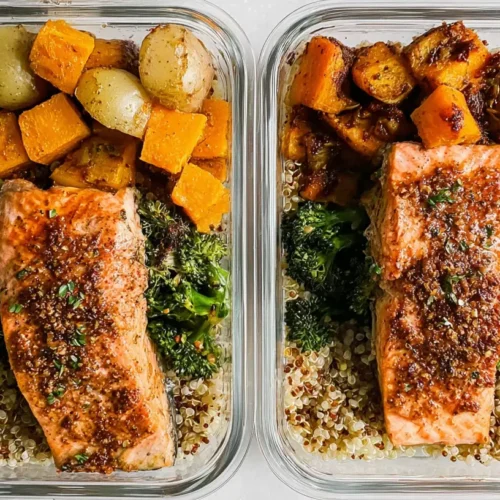
9-Day Healthy Salmon and Veggie Power Bowl Prep
Equipment
- Oven
- Large Bowl
- Baking Sheet
- Medium Saucepan
- Fork
- Small Bowl
- Parchment Paper
- Large Non-Stick Skillet
- Whisk
- Airtight Meal Prep Containers
Ingredients
For the Salmon
- 1.5 – 2 lbs fresh salmon fillets skin on or off, your preference
- 2 tbsp olive oil
- 1 tbsp dried dill or fresh, if preferred
- 1 tsp garlic powder
- 1/2 tsp onion powder
- Salt and black pepper to taste
- lemon wedges for serving
For the Quinoa
- 1.5 cups dry quinoa
- 3 cups vegetable or chicken broth or water
For the Roasted Vegetables
- 1 large head broccoli cut into florets
- 2 bell peppers any color, sliced
- 1 red onion cut into wedges
- 2 cups cherry tomatoes
- 2 tbsp olive oil
- 1 tsp Italian seasoning or mixed herbs like thyme, rosemary, oregano
- Salt and black pepper to taste
For the Lemon-Herb Dressing
- 1/4 cup olive oil
- 2 tbsp fresh lemon juice
- 1 tbsp Dijon mustard
- 1 tbsp chopped fresh parsley
- 1 tsp honey or maple syrup optional, for a touch of sweetness
- Salt and black pepper to taste
Additional Components/Fresh Add-ins
- Mixed greens spinach, kale, spring mix for salads
- Avocado sliced (add fresh daily)
- Cucumbers sliced
- Extra lemon wedges
- Storage containers airtight, microwave-safe
Instructions
Cooking Steps
- Preheat your oven to 400°F (200°C). Wash and chop all your vegetables, then toss them with olive oil, Italian seasoning, salt, and pepper.
- Spread the seasoned vegetables in a single layer on a large baking sheet, using two if necessary to avoid overcrowding.
- Rinse quinoa thoroughly and combine with broth or water in a saucepan. Bring to a boil, then simmer for 15 minutes, cover, and let sit for 5 minutes before fluffing.
- Roast the seasoned vegetables in the preheated oven for 20-25 minutes, stirring halfway, until tender-crisp and slightly caramelized.
- Pat salmon fillets dry. In a small bowl, mix olive oil, dried dill, garlic powder, onion powder, salt, and pepper, then rub mixture over the salmon fillets.
- Bake salmon at 400°F (200°C) for 12-18 minutes until cooked through, or pan-sear for 4-5 minutes per side until skin is crispy and desired doneness is reached.
- Whisk together olive oil, lemon juice, Dijon mustard, fresh parsley, honey or maple syrup, salt, and pepper to make the lemon-herb dressing.
- Allow all cooked ingredients (salmon, quinoa, roasted vegetables) to cool completely to room temperature before portioning.
- Divide cooled salmon, quinoa, and roasted vegetables equally into airtight meal prep containers. Store dressing separately and add just before serving.