
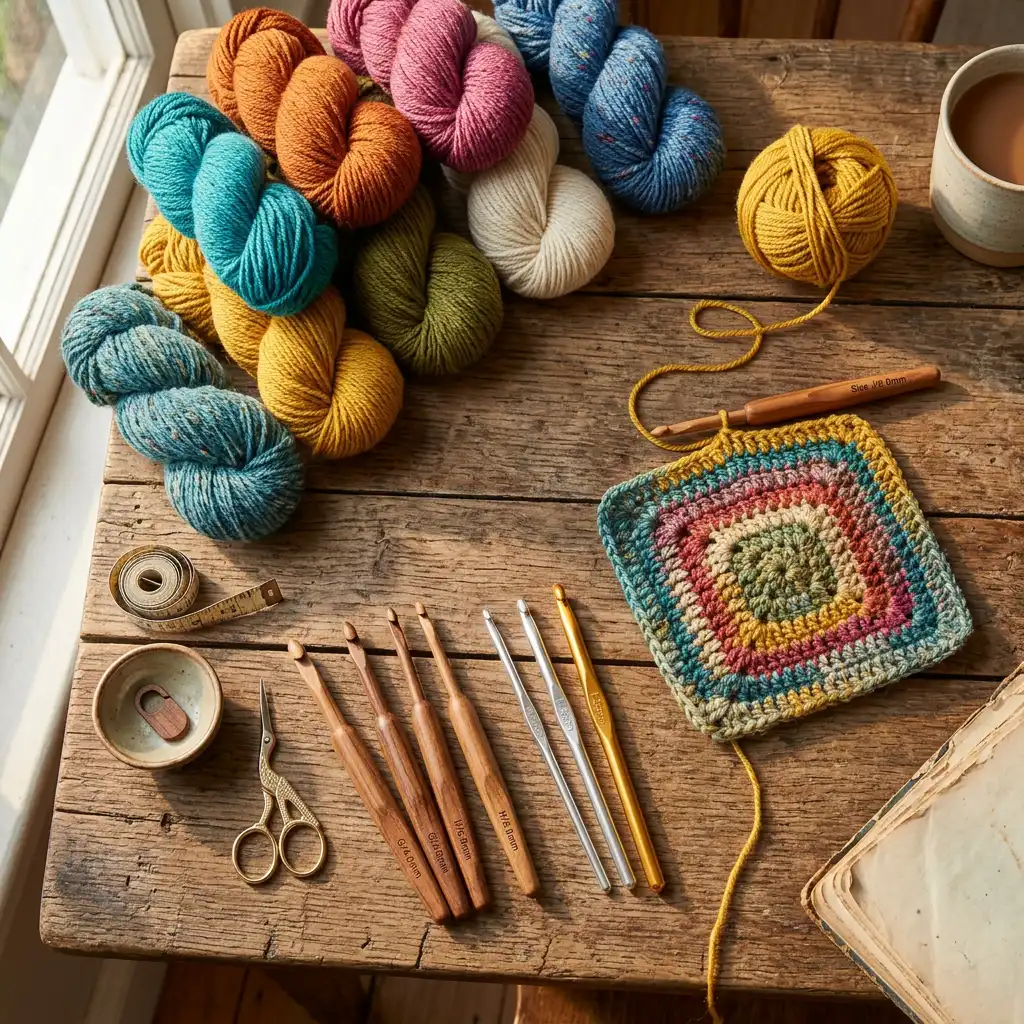
Welcome to the wonderful world of crochet! Crocheting is a relaxing, creative, and highly rewarding craft that allows you to transform a simple strand of yarn into beautiful, functional items. From cozy blankets and stylish sweaters to adorable amigurumi toys, the possibilities are endless once you master the basics.
If you have ever wanted to learn how to crochet but felt overwhelmed by the varieties of yarn, hook sizes, and complex abbreviations, this guide is for you. In this ultimate beginner’s guide, we will break down the barriers and take you step-by-step from absolute beginner to confident crafter.
🔑 The Foundations of Crochet: What You Need to Know
🧶 Essential Supplies for Your Crochet Toolkit
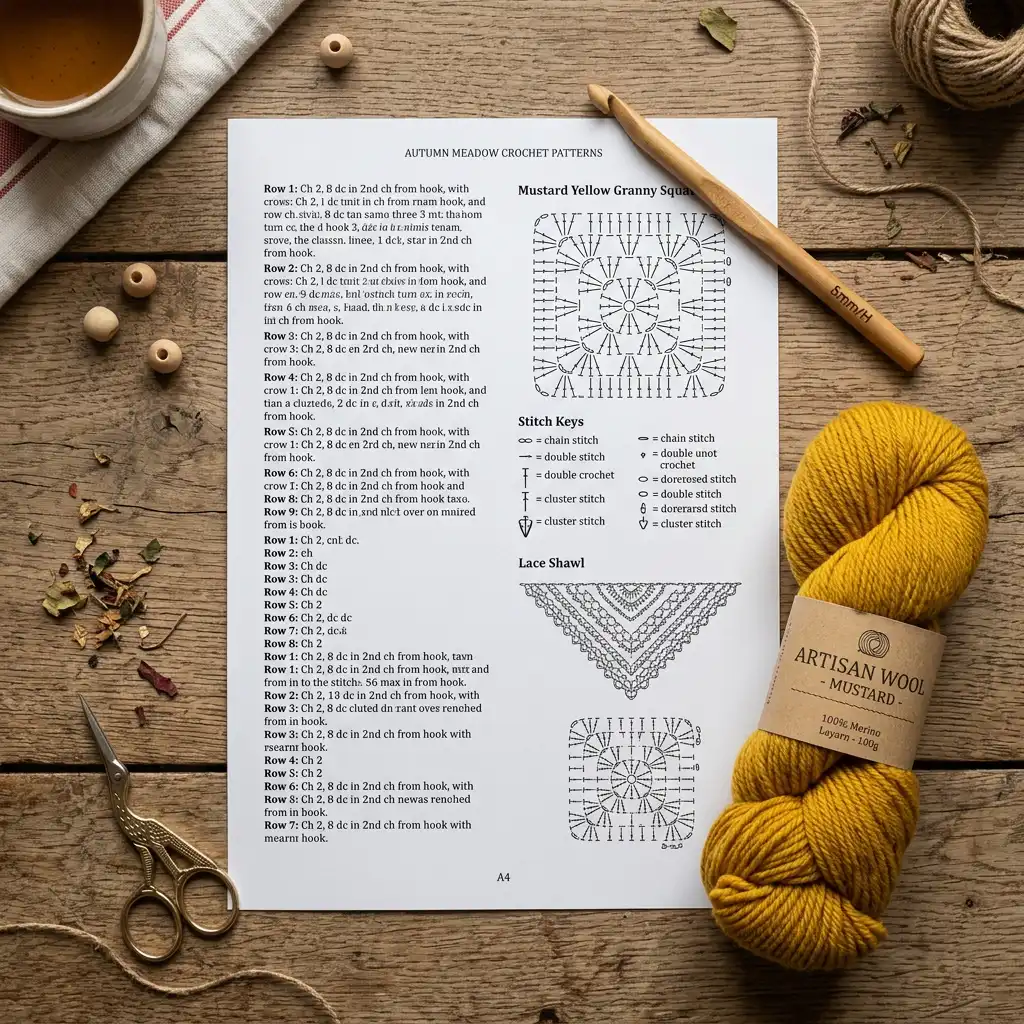
To get started, you only need a few basic supplies. Don’t worry about buying everything at once. Focus on the essentials first:
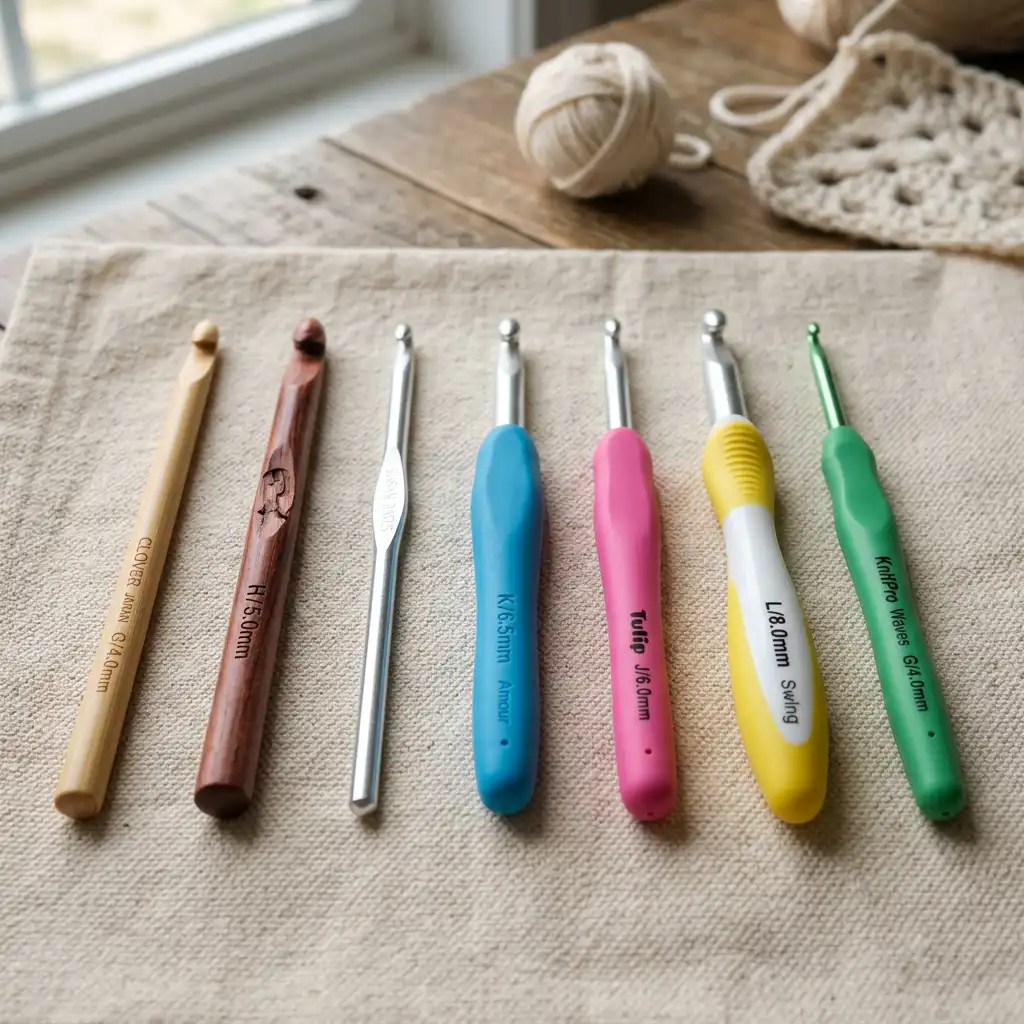
- Crochet Hook: For beginners, a medium-sized hook (5.0 mm or H-8) is highly recommended. It is easy to hold and works well with standard worsted-weight yarn.
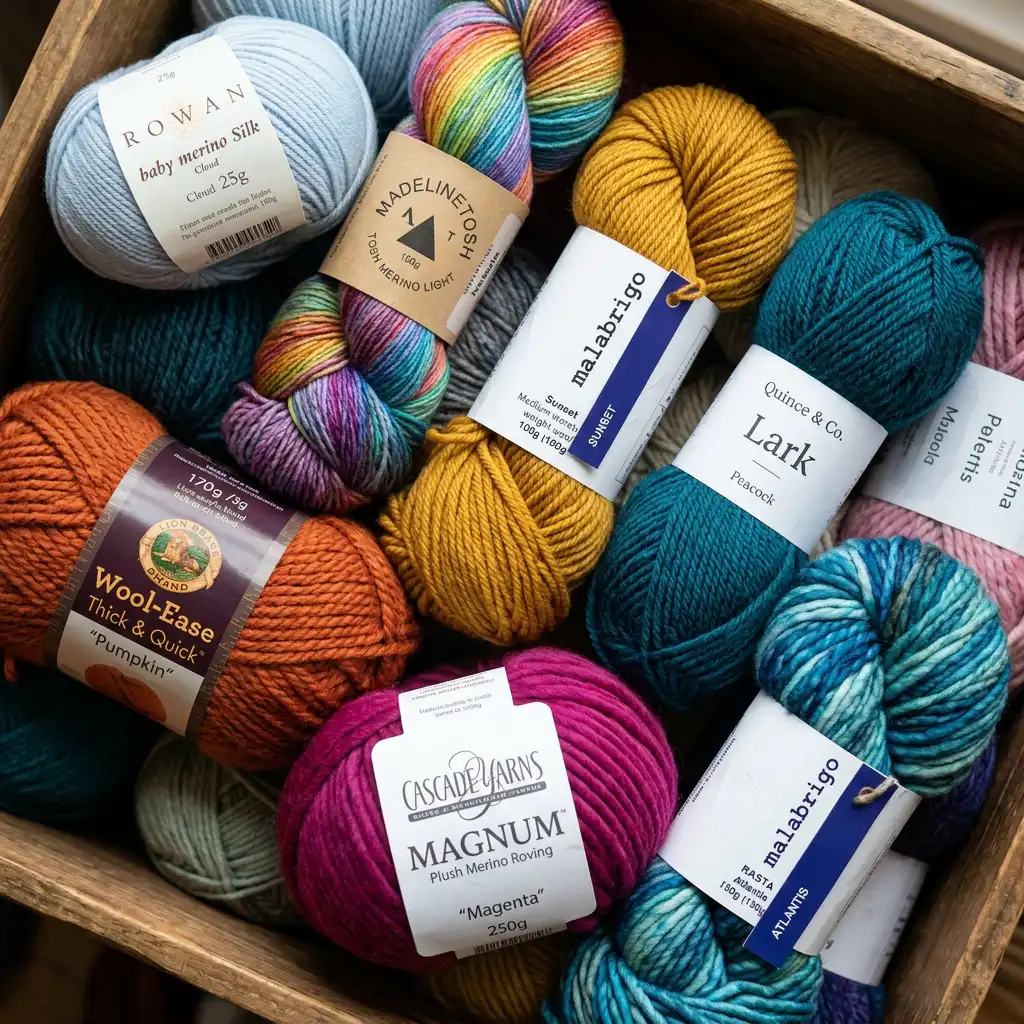
- Yarn: Choose a smooth, worsted-weight (medium weight #4) acrylic or wool-blend yarn in a light, solid color. Light colors make it much easier to see your stitches as you practice.
- Scissors: Any sharp pair of scissors will do for cutting your yarn when finishing a project.
- Tapestry Needle: A large, blunt needle with a big eye, used to weave in loose yarn ends securely.
- Stitch Markers: Small plastic clips used to mark the beginning of rows or rounds, helping you keep track of your stitch counts.
🚀 Tips for Success on Your Crochet Journey
Learning a new motor skill takes time and patience. Here are a few expert tips to keep in mind as you start practicing:
- Embrace Mistakes: It is completely normal for your first few rows to look uneven or twisted. Don’t be afraid to unravel your work (crocheters call this “frogging”) and start again!
- Watch Your Tension: Try to keep your hands relaxed. If you hold the yarn too tightly, it will be difficult to insert your hook into the stitches. If you hold it too loosely, your stitches will look sloppy.
- Count Your Stitches: Always count your stitches at the end of each row. This is the best way to ensure your edges stay straight and you don’t accidentally add or lose stitches.